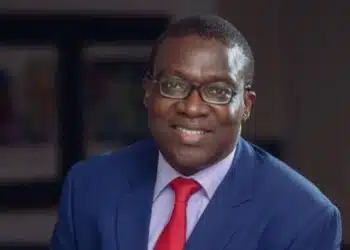

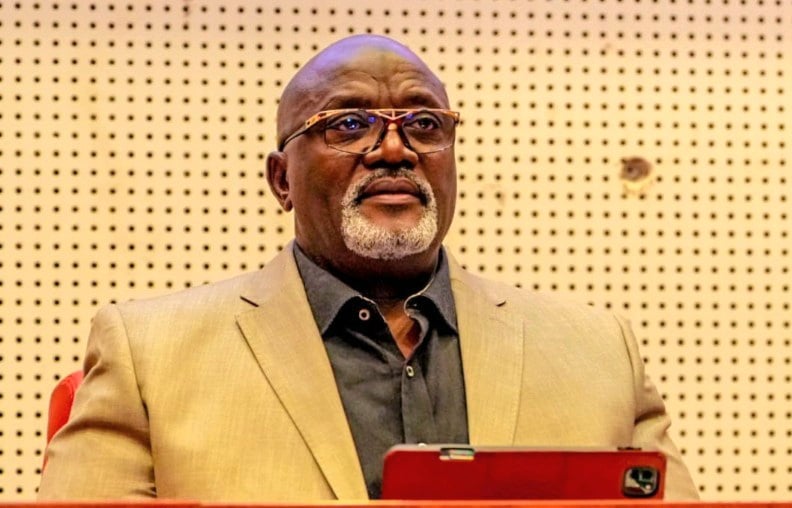
Hon. Adedeji Dhikrullahi Stanley Olajide, the member representing Ibadan North-west/Ibadan South-west federal constituency of Oyo State in the House of Representatives, has called for a fundamental shift in research and academic practice.
He urged that equity, diversity, and inclusivity be placed at the forefront to unlock sustainable development and global progress.
Hon. Olajide made this call on Tuesday during his goodwill message at the 2nd Multidisciplinary International Conference of the Postgraduate College, Lead City University, Ibadan. The conference, themed “Equity, Diversity, and Inclusivity in Research,” brought together a diverse group of academics and policymakers.
Hon. Olajide, who also chairs the House Committee on Digital, Information Communication Technology and Cybersecurity, described the conference as a critical gathering of “eminent scholars, researchers, policymakers and practitioners from within and outside Nigeria.” He emphasized the importance of its focus, citing the growing global relevance of inclusive research in shaping national and international development.
“Conversations on justice, representation and inclusivity have transcended politics and entered the very heart of academic inquiry,” Hon. Olajide stated. He further argued that “for research to remain impactful and credible, it must embrace diversity of thought, equity in access to opportunities and inclusivity in participation. These are the bedrock of sustainable scholarly works.”
Highlighting the close link between innovation, fairness, and collaboration, the lawmaker asserted that inclusivity in research strengthens creativity and problem-solving.
“In my role as Chairman of the House Committee on Digital, ICT, and Cybersecurity, I am constantly reminded that innovation thrives best in environments where fairness, openness and collaboration are prioritised,” he explained.
“When the voices of women and men, the young and the elderly, persons with disabilities, the marginalized and the mainstream are all reflected in academic discourse, knowledge becomes richer, more dynamic and more relevant to solving real world problems.”
The call for a more inclusive approach to research underscores the growing recognition that addressing societal inequities and ensuring diverse participation are essential for fostering impactful and sustainable development across Nigeria and the globe.