
A landmark ruling by the Federal High Court in Delta State has officially affirmed that Nigerians possess the constitutional right to record police officers during stop-and-search operations.
Justice Hyeladzira Nganjiwa delivered the judgment, which marks a significant victory for civil liberties and police accountability in the country.
The Legal Battle for Transparency
The case was sparked by an encounter involving Maxwell Nosakhare Uwaifo, a lawyer, and police officers at the Sapele Roundabout on May 10, 2025. While travelling from Benin to Warri, Uwaifo was flagged down by unidentified men in an unmarked vehicle.
The suit named the Inspector-General of Police, the Nigeria Police Force (NPF), the Police Service Commission (PSC), and the Attorney-General of the Federation (AGF) as defendants. Uwaifo sought a judicial declaration on whether police officers could legally conduct operations without visible name tags and if citizens had the right to film these interactions.
Justice Nganjiwa held that under Section 39 of the 1999 Constitution, Nigerians are entitled to free expression, which includes recording law enforcement agents performing public duties.
Identification is Mandatory
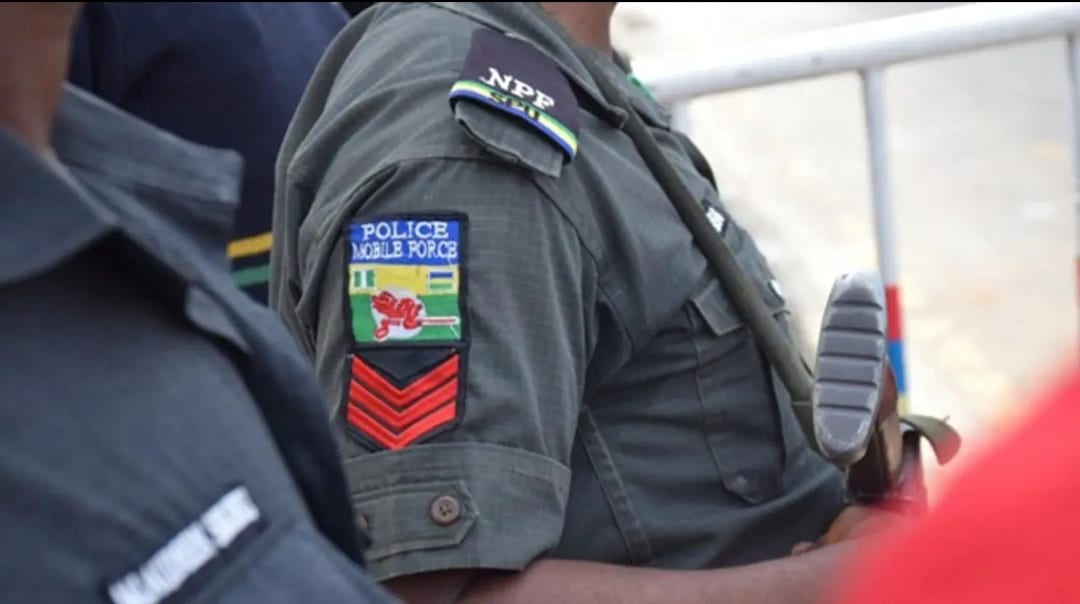
Beyond the right to record, the court ruled that it is illegal for officers to operate in shadows. The judge stated that all officers must wear visible name tags and display force numbers or proper identification during public operations.
- The court further declared it unlawful for the police to:
- Harass or intimidate citizens recording their activities.
- Arrest individuals for filming in public spaces.
- Seize mobile devices from members of the public.
In a stern rebuke of the officers’ conduct, the court awarded N5,000,000 in damages for the violation of fundamental rights and an additional N2,000,000 for the cost of litigation.
A Narrow Escape from Extortion
Recounting the ordeal that led to the lawsuit, Uwaifo described a hostile atmosphere created by men in a black Toyota Sienna with no police markings or number plates.
“The operatives flagged me down and began to question me in an aggressive manner. When I noticed their behavior, which suggested extortion or harassment, I brought out my phone to record. Immediately I did, one of the men, dressed in black and appearing to be a police officer, threatened to arrest me and demanded that I put my phone away.”
Uwaifo noted that the lack of identification made it impossible to gather concrete evidence at the time.
“The officers did not wear any name tags, nor did they introduce themselves… I have heard and seen many similar instances where police officers intimidate, harass, and even assault Nigerians simply for recording them or questioning their unlawful acts at checkpoints.”
The ruling now mandates the Police Service Commission to issue clear directives and training guidelines, ensuring all officers understand that the public has a right to record and report their activities.