
The Middle East has plunged into a precarious new phase of conflict as Iranian drones struck Kuwait’s largest oil refinery for a second consecutive day. The assault on the Mina al-Ahmadi facility is part of a sweeping Iranian campaign targeting energy infrastructure across the Gulf, timed as regional powers mark major religious and cultural holidays.
Strategic Assets Under Fire
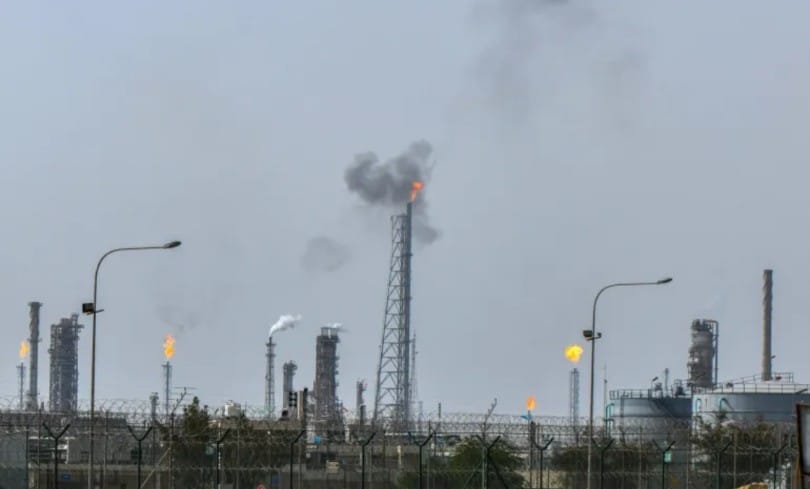
Fires erupted across multiple units at the Mina al-Ahmadi refinery early Friday morning. The facility, which processes approximately 730,000 barrels of oil per day, is a cornerstone of Kuwaiti energy production. The timing was particularly poignant, occurring as citizens marked Eid al-Fitr, the celebration ending the holy month of Ramadan.
Kuwait’s national oil company confirmed that several units were forced to shut down, though no casualties were reported. The country’s military stated its air defences were “actively intercepting incoming missile and drone threats.”
A Widening Regional Campaign
These strikes follow an Israeli hit earlier this week on Iran’s South Pars gasfield—the nation’s largest source of domestic natural gas. In a retaliatory surge, the Islamic Revolutionary Guard Corps (IRGC) claimed responsibility for attacks on:
- United Arab Emirates: Targeting US forces at al-Dhafra airbase.
- Bahrain: Sparking a warehouse fire via “Iranian aggression.
- Saudi Arabia: Where forces intercepted over a dozen drones in a two-hour window.
- Israel: Direct missile barrages targeting Tel Aviv and central regions.
Iranian Foreign Minister Abbas Araghchi issued a chilling warning, stating these strikes represent only a “fraction” of Tehran’s capabilities and threatening “zero restraint” if Iranian facilities are hit again.
Global Energy Markets in Turmoil
The economic fallout is already staggering. Qatar’s Ras Laffan, the world’s premier LNG terminal, sustained damage that has wiped out roughly 17% of the global supply. QatarEnergy chief Saad al-Kaabi noted that repairs could take up to five years, suggesting the destruction has set the region back “10 to 20 years.”
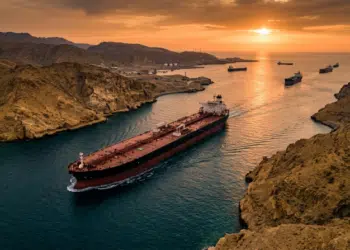
Furthermore, Iran has closed the Strait of Hormuz, a vital artery for 20% of the world’s oil and gas. This move has sent energy prices surging, forcing governments across Asia to ration electricity. Mujtaba Rahman of the Eurasia Group warned that the conflict is entering an “escalatory phase” with no clear end in sight.
“These people expect the war to continue until the enemy is completely exhausted,” said IRGC spokesman Ali Mohammad Naeini shortly before Iranian state television reported he was killed in an air strike. “This war must end when the shadow of war is lifted from the country.”
Humanitarian and Military Toll
The human cost continues to rise across all fronts. In Iran, more than 1,300 people have been killed. Israeli strikes in Lebanon have displaced over 1 million people, with the Lebanese government reporting over 1,000 fatalities.
Iran, over 1,300; Lebanon, over 1,000; Hezbollah Fighters, 500 (per Israel); Israel (Iranian Fire), 15, and US 13 Military Members.
As sirens continue to wail in Tel Aviv and explosions echo over Tehran during the Persian New Year (Nowruz), the “breaking point” feared by diplomats seems closer than ever.