

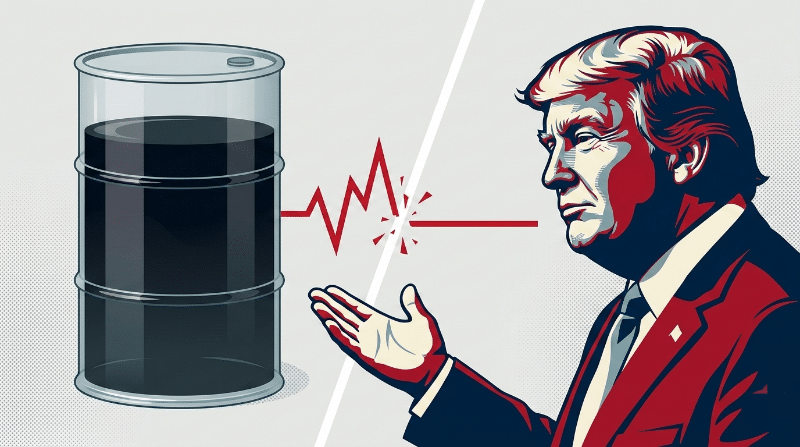
In a dramatic shift for global security, Donald Trump has announced a conditional two-week ceasefire between the United States and Iran. The agreement hinges on a pivotal maritime concession: the immediate opening of the Strait of Hormuz to international shipping.
The 10-Point Plan: Tehran’s Conditions
The breakthrough followed a stern ultimatum from Washington. Iranian Foreign Minister Abbas Araghchi confirmed that Tehran would halt hostilities “if attacks against Iran are halted.”
This agreement forms part of a broader 10-point ceasefire plan. Beyond the cessation of strikes, Iran is reportedly seeking compensation for recent damages. Despite the diplomatic movement, Iranian leadership is framing the truce as a strategic win. However, analysts suggest the nation remains in a precarious position despite the rhetoric of victory.
Regional Reactions and the Lebanon Discrepancy
While the truce brings temporary relief to the Persian Gulf, its scope remains a point of contention among regional powers. Israel has expressed support for suspending direct strikes on Iranian soil but explicitly noted that the two-week ceasefire “does not include Lebanon.”
Conversely, Pakistan’s Prime Minister maintains that Lebanon is covered under the agreement. Pakistan has played a central role as a mediator and has already invited both delegations to Islamabad for formal talks this Friday.
Impact on Global Markets
The diplomatic thaw had an immediate effect on the economy. Global oil prices plummeted following the announcement, with crude now trading well under $100 a barrel.
In London, UK Prime Minister Keir Starmer, currently travelling to the Gulf, welcomed the development. He stated that the UK will “do all we can to support and sustain this ceasefire.”
The deal was struck barely an hour before a 20:00 EDT deadline set by Trump, who had previously warned that a failure to reach terms could mean “a whole civilisation will die.”