

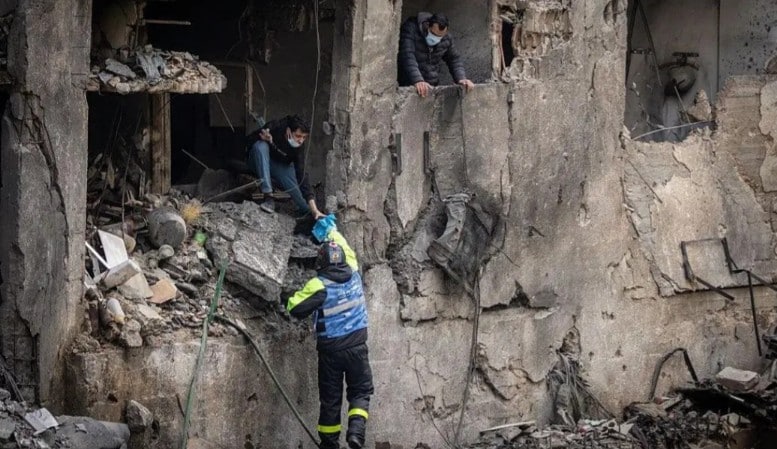
Israeli Prime Minister Benjamin Netanyahu has ordered his cabinet to begin direct negotiations with Lebanon. This move comes as the death toll from a massive Beirut attack rises to at least 303 people, with over 1,000 others wounded.
“No Ceasefire” Despite Pending Negotiations
While the diplomatic gears have started turning, the reality on the ground remains volatile. Netanyahu clarified his position to the cabinet, stating:
“There is no ceasefire in Lebanon. We will continue to strike Hezbollah with force.”
Earlier today, the Israeli military issued fresh evacuation orders for specific districts in Beirut. These orders preceded further strikes, even as Iran claimed Israeli actions “blatantly violate” previous agreements.
US Intervention and Conflicting Reports
The regional tension has drawn significant attention from Washington. US President Donald Trump told NBC News that Israel will be “scaling back” its attacks on Lebanon. This shift aims to support upcoming negotiations between Iran and the US.
Despite an announced ceasefire late on Tuesday, confusion remains. Conflicting reports persist regarding the specific terms agreed upon by the various factions involved.
Lebanon’s Health System Near Collapse
The human cost of the recent Hezbollah strikes and Israeli counter-attacks has pushed Lebanese infrastructure to a breaking point. The World Health Organisation (WHO) warns that hospitals may soon run out of critical medical supplies.
Abdinasir Abubakar, the WHO representative in Lebanon, told Reuters that life-saving trauma kits—containing bandages, antibiotics, and anaesthetic—could vanish within “a few days”.
“If we have another mass casualty, like what happened yesterday, it will be a disaster,” Abubakar said. “Probably we will lose more lives just because we don’t have enough supplies.”
The WHO is currently working with the Lebanese Ministry of Health to redistribute existing stocks, but they cautioned that the system is stretched to its absolute limit.