
The Central Bank of Nigeria (CBN) has unveiled its bold monetary policy agenda for 2026, centering on a primary mission to drag the national inflation rate back to single digits. Alongside this aggressive cooling of prices, the apex bank aims to stabilise the exchange rate and fortify the country’s financial architecture.
As of yesterday, the CBN inflation rate stood at 15.06 per cent, marking the starting line for this new phase of fiscal discipline.

The Consolidation Phase
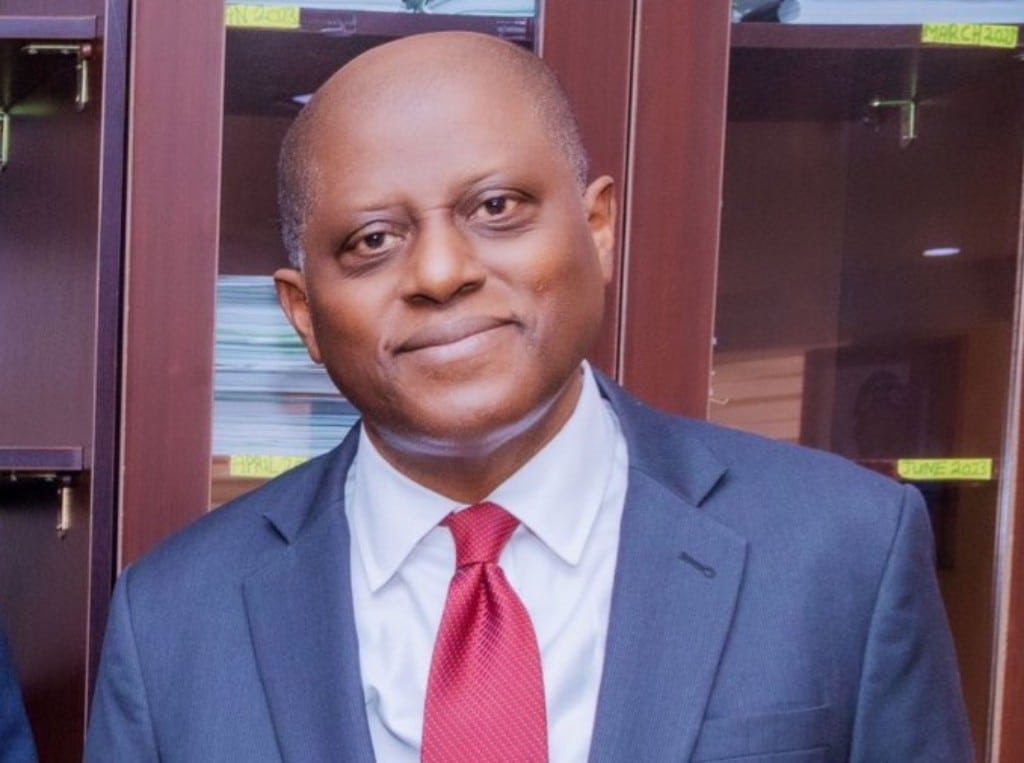
The Governor of the Bank, Olayemi Cardoso, presented the agenda at the 2026 First Monetary Policy Forum in Abuja. While the tone was one of progress, Cardoso issued a sobering note of caution regarding global volatility. He warned that escalating developments in the Middle East pose a “serious risk” to Nigeria’s economic health, primarily through their unpredictable impact on global oil prices.
Despite these external pressures, Cardoso assured stakeholders that the Monetary Policy Committee (MPC) remains fixed on consolidating recent economic gains. The strategy hinges on ensuring price growth continues its downward slide while improving the liquidity flow within the domestic banking system.
“Our next phase is focused on consolidation: anchoring inflation firmly on a downward trajectory toward a single-digit level, sustaining exchange-rate stability, strengthening reserve buffers through organic inflows, deepening interbank market development, and enhancing the robustness of our monetary-policy transmission,” he stated.
A Collaborative Path to Stability
Cardoso was transparent about the fact that the CBN cannot act in a vacuum. Success depends on a “disciplined implementation” of policies and a tight-knit partnership with fiscal authorities.
“Achieving these goals requires continued collaboration with the fiscal authority, disciplined policy execution, and strong stakeholder engagement, which is the very essence of today’s Forum,” he added.
While the global growth outlook hovers around 3.3 per cent, Cardoso noted that past monetary tightening and geopolitical tensions remain significant headwinds for the Nigerian economy.
Growth vs. Inflation: The Balancing Act
The Minister of Finance and Coordinating Minister of the Economy, Wale Edun, joined the forum to align the government’s growth targets with the CBN’s hawkish stance. The Federal Government is currently eyeing a GDP growth rate of approximately 7 per cent—nearly double the projected pace of inflation.
“Our broader objective remains economic transformation. In the near term, we are targeting GDP growth of about 7 per cent—roughly double the pace of inflation. Growth at that level would be strong enough to lift millions of Nigerians out of poverty,” Edun explained.
Edun acknowledged the delicate dance required to manage this balance, comparing the current Nigerian climate to the post-COVID-19 recovery seen in the United States. He noted that while high interest rates are a necessary tool to curb the CBN inflation rate, they do increase borrowing costs for the government and private sector alike.
“The relationship between growth and inflation will remain a key focus going forward. The challenge is to strike the right balance—keeping inflation under control while sustaining growth,” Edun remarked.
The Minister concluded by welcoming the CBN’s shift toward a formal inflation-targeting framework, noting that such transparency is vital for boosting investor confidence and reducing the uncertainty that has previously clouded the exchange rate stability outlook.