
A sweeping Nigeria Football Federation (NFF) leadership resignation has sent shockwaves through African sports, triggering urgent calls from fan organisations to prioritise structural reform over political Infighting.
In a dramatic Thursday press conference in Abuja, Nigeria Football Federation President Ibrahim Musa Gusau confirmed his departure, alongside General Secretary Mohammed Sanusi and key Executive Committee members. The federation stated that Gusau stepped down to pave the way for a “comprehensive and orderly reform process” to rectify long-standing governance, institutional, and grassroots development failures.
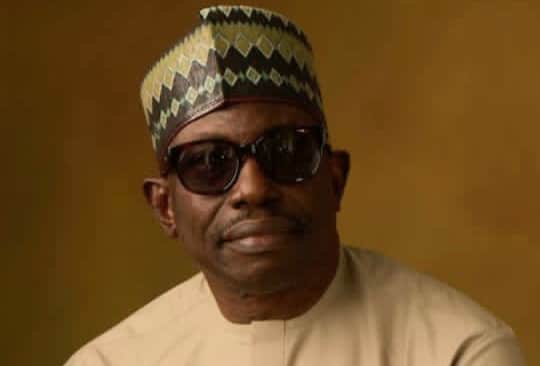
Following the announcement, Prince Vincent Okumagba, president of the Super Eagles Supporters Club, issued a statement framing the sudden administrative overhaul as a pivotal turning point for the nation’s sporting apparatus. While wishing the outgoing officials well, Okumagba urged all sector actors to redirect their focus toward long-term stabilization.
Urgent Push for Reforms After Double World Cup Disaster
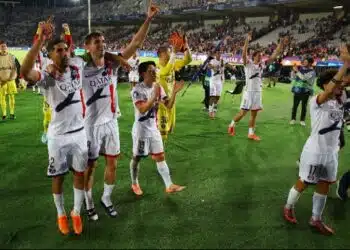
The administrative restructuring follows unprecedented on-field setbacks for Nigeria’s flagship national programs. The men’s senior team, the Super Eagles, missed out on the 2026 FIFA World Cup after dropping a penalty shootout to the Democratic Republic of Congo in the African qualifying playoff. The loss marked the second consecutive World Cup cycle from which the men’s side has been absent.
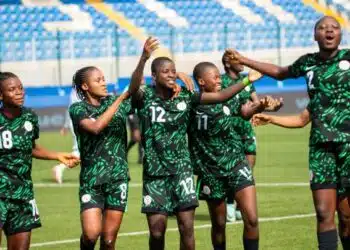
Shortly thereafter, the women’s national team suffered a historic setback. Following a quarterfinal exit to Cameroon at the 2026 Women’s Africa Cup of Nations, the Super Falcons fell 2-1 to South Africa in a decisive World Cup play-off. The defeat snapped Nigeria’s streak of qualifying for every FIFA Women’s World Cup since the tournament’s inception in 1991.
According to ongoing tactical analysis by Reporters At Large, these back-to-back qualification failures highlight systemic issues within the national team development pipelines, emphasising the need for immediate, data-driven restructuring at the federation level.
”As supporters and stakeholders, our greatest desire is to see Nigerian football thrive and regain its rightful place on the global stage,” Okumagba said. “Nigerian football has the talent, passion and enormous potential to rise again.”
NFF Leadership Resignation: Mobilising Fans Ahead of September AFCON Qualifiers
Okumagba, who returned Tuesday from Canada ahead of the Poland U-20 Women’s World Cup and September’s Africa Cup of Nations qualifiers, emphasized that fan organisations must play a central role in the national program’s revival.
He called on interim authorities to guarantee “the full participation and inclusion of all recognised supporters groups” across every phase of the rebuilding plan.
The sudden governance vacuum comes weeks before the federation’s scheduled elective congress. Candidate screening is slated for late August, with the final list of cleared contenders due in early September ahead of the vote in Lafia on Sept. 27.
With critical international fixtures approaching, the coming months will test whether this political shift resolves the organizational friction within the country’s governing body.
”Better days lie ahead,” Okumagba said.