
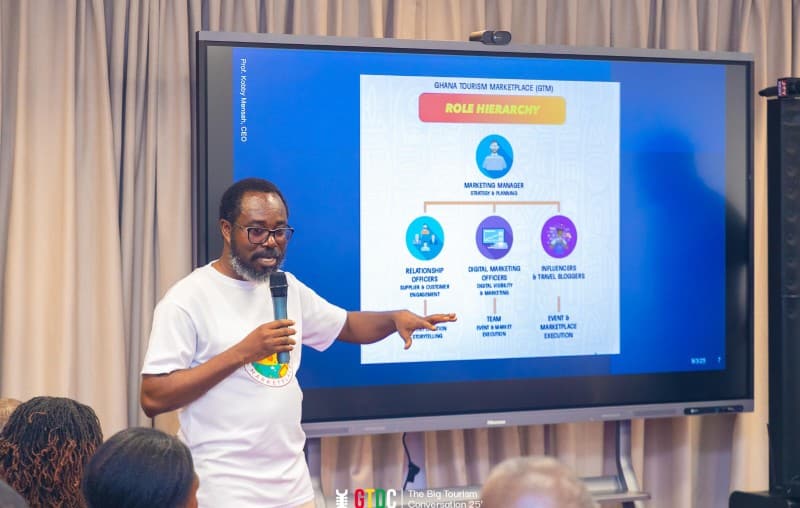
The launch of the Ghana Tourism Marketplace (GTM) last week marks a significant step for Ghana, potentially reshaping its tourism landscape and sending ripples throughout the African and global travel industries. More than just an online platform, the GTM is envisioned as a digital hub, connecting travelers directly with Ghanaian tourism operators and showcasing the nation’s diverse offerings in a sophisticated, user-friendly manner. But what does this digital crossroads truly mean for the various stakeholders, and what impact could it have on the broader trajectory of tourism?
For Ghana: A Digital Gateway to Growth and Empowerment
For Ghana, the GTM holds the promise of amplified visibility and accessibility. Traditionally, the sector relied heavily on word-of-mouth, travel agents, and limited online presence. The GTM revolutionizes this, providing a central platform for operators, from luxury hotels to intimate guesthouses, to reach a wider audience.
Boosting Revenue: The platform’s direct-booking capabilities are poised to increase revenue streams for local businesses by eliminating intermediaries and offering competitive pricing. This directly translates to job creation and economic empowerment within communities, particularly in rural areas with unique cultural and natural attractions.
Data-Driven Insights: The GTM provides invaluable data analytics, allowing the Ghana Tourism Authority (GTA) to understand traveler preferences, track popular destinations, and identify areas for development and investment. This data-driven approach is crucial for sustainable tourism planning, minimizing environmental impact, and optimizing resource allocation.
Redefining the Ghanaian Narrative: The platform offers a platform to control the narrative surrounding Ghanaian tourism, highlighting its rich cultural heritage, vibrant music scene, breathtaking landscapes, and welcoming hospitality. This can actively combat negative stereotypes and promote a more authentic and nuanced portrayal of the country.
For the African Tourism Sector: A Beacon of Digitization and Collaboration
The GTM is not just a Ghanaian initiative; it’s a potential blueprint for other African nations looking to modernize their tourism sectors.
Setting a Digital Precedent: The GTM’s emphasis on digital transformation serves as a powerful example of how technology can streamline booking processes, enhance marketing efforts, and foster collaboration within the industry. This could inspire similar platforms across the continent, creating a unified African travel ecosystem.
Promoting Intra-African Tourism: By showcasing the continent’s diverse offerings, the GTM can inadvertently boost intra-African travel. Travelers drawn to Ghana may be inspired to explore neighboring countries, fostering regional integration and economic growth.
Addressing the Challenges of Fragmentation: The GTM tackles a persistent problem in African tourism: the fragmentation of the market. It acts as a central point for fragmented tourism operators, connecting them to a global marketplace, fostering healthy competition and boosting the industry.
For the Global Tourism Sector: A Fresh Perspective and New Opportunities
The GTM offers the global tourism sector a glimpse into a burgeoning market, attracting both leisure and business travelers.
Diversifying Travel Destinations: The GTM offers access to a relatively untapped market. It offers travelers an alternative to crowded and familiar destinations, satisfying a growing desire for unique and authentic experiences.
Promoting Sustainable Tourism: The platform’s focus on local businesses and community engagement aligns with the growing global demand for sustainable tourism practices. This commitment could attract environmentally conscious travelers and promote responsible travel habits.
Adapting to the New Digital Reality
The success of the GTM will be a case study on navigating the evolving landscape of travel technology. Global players in the tourism industry will closely observe how this platform leverages digital tools, analyzes traveler data, and fosters community collaboration.
The Stakeholders: A Call for Collaboration and Innovation
The success of the GTM depends on the collaboration and engagement of all stakeholders:
The Ghana Tourism Authority (GTA) must actively promote the platform, provide ongoing training and support to operators, and ensure the platform’s functionality and security.
Tourism Operators: Local businesses must embrace the platform, provide high-quality listings, engage with travelers, and actively participate in promotions.
Travelers: Consumers must be educated about the platform and encouraged to utilize it as a reliable source of information and booking.
The Private Sector: Investment in infrastructure, marketing, and training will be crucial to enhance the overall tourist experience.
Conclusion
The launch of the Ghana Tourism Marketplace is more than just a digital update; it’s a catalyst for change. It offers a potent combination of digital innovation, local empowerment, and sustainable practices. If implemented effectively, it promises to unlock new economic opportunities for Ghana, inspire similar initiatives across the African continent, and redefine the global perception of African travel. However, its ultimate success hinges on continued collaboration, strategic investment, and a shared commitment to creating a thriving and responsible tourism sector for the future. The journey is just beginning, and the world is watching.