
Iran on Sunday warned other countries against getting involved in its war with the United States and Israel, as Rome reported a base in Kuwait hosting US and Italian troops was hit by a drone attack.
This escalation came after Tehran sent a stern message to its neighbours that it had “ample evidence” US bases on their territory were being used to launch attacks.
Diplomacy and Deterrence
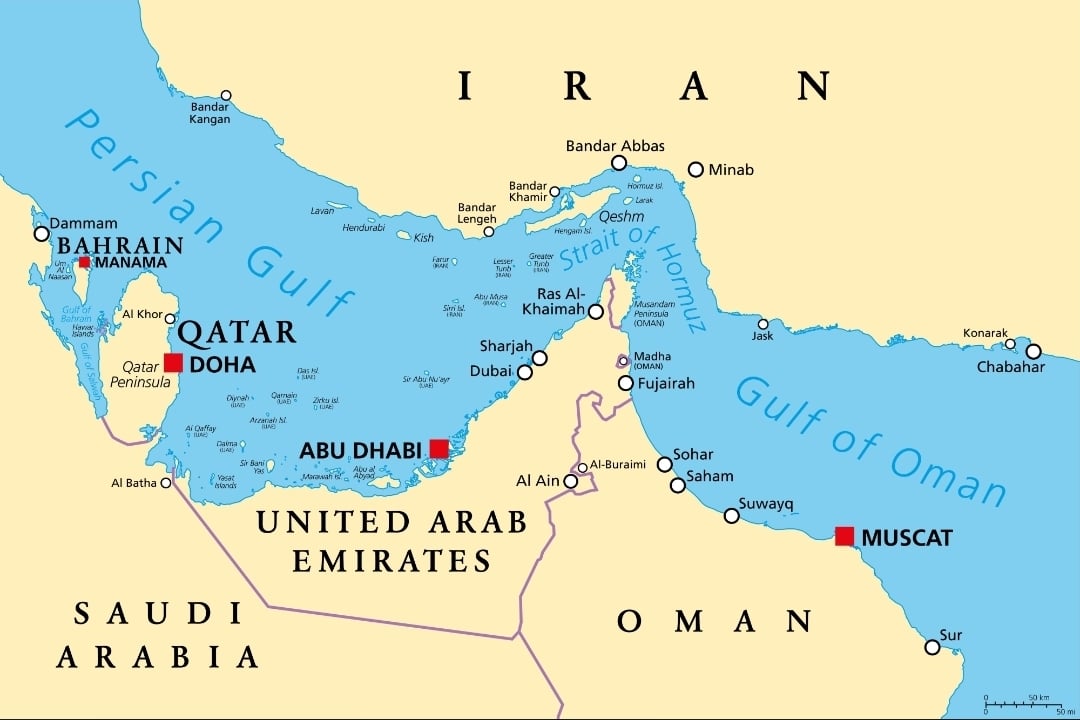
Iran’s warning to keep out of the war came a day after President Donald Trump had called on other countries to work with the US to secure the vital Strait of Hormuz. The closure of this waterway since the conflict broke out has thrown energy markets into turmoil.
Tehran’s top diplomat, Abbas Araghchi, argued that the US security umbrella in the region was “inviting rather than deterring trouble”. Writing on X, he urged neighbouring countries “to expel foreign aggressors”.
“This war will end when we are certain that it will not be repeated and that reparations will be paid,” Araghchi told Arabic-language news platform Al-Araby Al-Jadeed.
Military Escalation in the Gulf
The drone attack at the Ali Al Salem airbase in Kuwait destroyed an unmanned aircraft belonging to Italy. However, the Italian military confirmed it caused no casualties. Rome’s foreign minister, Antonio Tajani, sought to play down the attack—the second on an Italian base in the Middle East this week—insisting: “We are not at war with anyone.”
Meanwhile, Iraqi authorities reported that rockets wounded five people at Baghdad’s airport, a site that houses a US diplomatic facility.
Energy Markets and Global Response
Energy prices have soared across the world since Iran responded to the US-Israeli campaign. The initial strikes killed Iran’s supreme leader, leading Tehran to threaten shipping through the Strait of Hormuz. This narrow passage usually handles 20 per cent of global oil and gas exports.
In response, Trump called on “China, France, Japan, South Korea, the UK and others” to send ships to escort tankers. The US military continues to pound drone, boat, and missile launch sites on Iran’s north shore. However, responses from these nations remain guarded:
- The UK: The Ministry of Defence was non-committal, stating they are “discussing with our allies and partners a range of options”.
- Japan: Takayuki Kobayashi, policy chief of the ruling party, noted that the legal bar for sending navy ships was “extremely high”.
- France: Araghchi warned French counterpart Jean-Noel Barrot to “refrain from any action that could lead to escalation”.
The Standoff Continues
Global oil prices have surged by 40 per cent as Iran chokes off sea passages. The International Energy Agency (IEA) announced on Sunday that “stocks will be made available by IEA Member countries in Asia Oceania immediately” to stabilise the market.
Trump remains firm, telling NBC News: “Iran wants to make a deal, and I don’t want to make it because the terms aren’t good enough yet.” Araghchi denied this on CBS’s Face the Nation, stating, “We are stable and strong enough. We don’t see any reason why we should talk with Americans.”
Amidst the rhetoric, Israeli military spokesman Brigadier General Effie Defrin warned: “We still have thousands of targets in Iran, and we are identifying new targets every day.”