
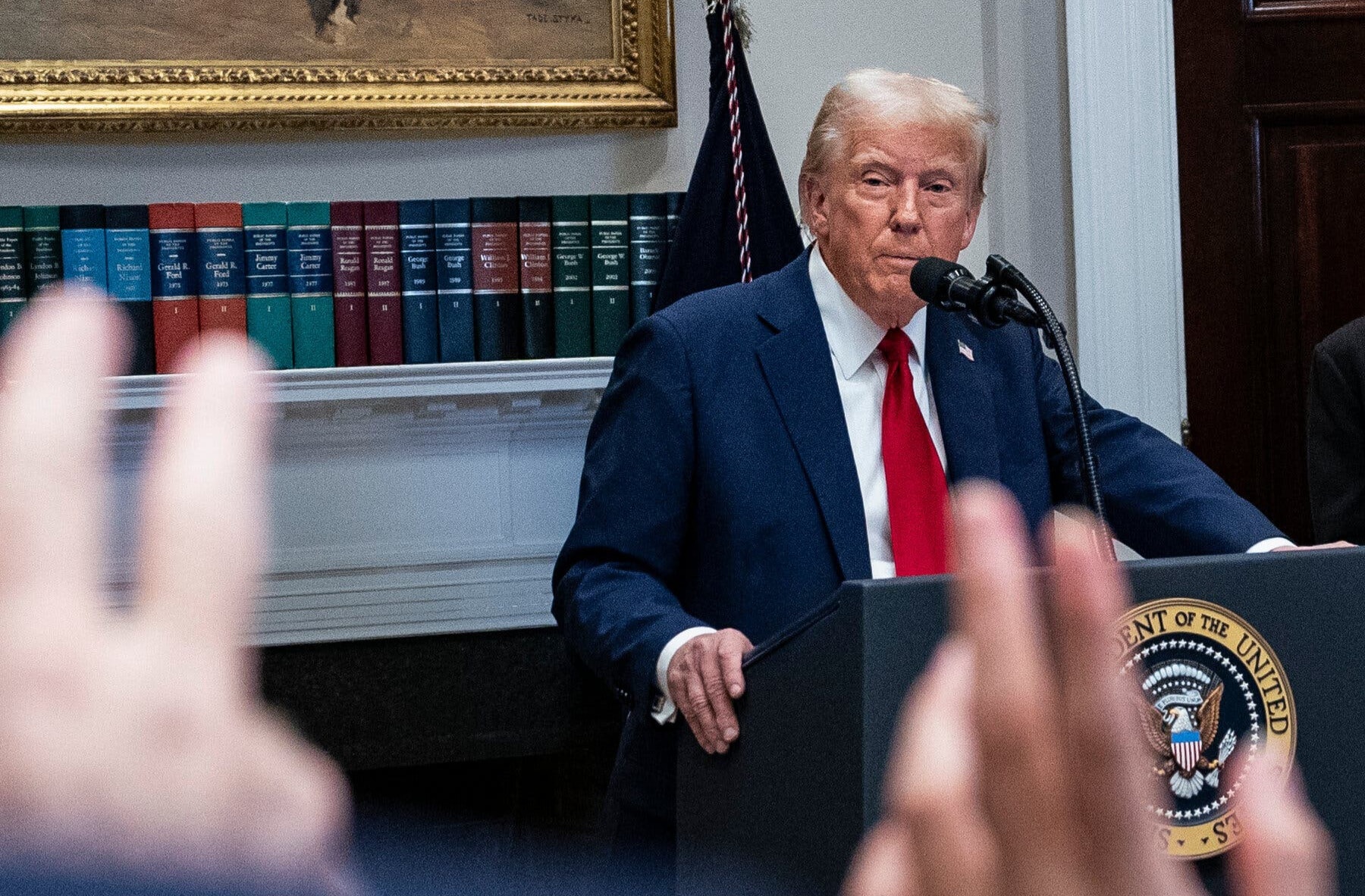
Senior American and Iranian officials met on Saturday in Islamabad for the highest-level talks between Washington and Tehran in half a century. Both sides seek an urgent end to their six-week war.
The meeting involved Vice President JD Vance, special envoy Steve Witkoff, and Jared Kushner. They sat across from Iranian Parliamentary Speaker Mohammad Baqer Qalibaf and Foreign Minister Abbas Araqchi.
A Pakistani source confirmed the session lasted two hours before delegations paused. Pakistan’s army chief also attended the historic sit-down.
Conflicting Reports on the Strait of Hormuz
As the talks began, accounts regarding the military situation remained unclear. A US official told Axios that several US Navy ships crossed the Strait of Hormuz on Saturday. Iran’s blockade of the passage has caused the largest disruption to global energy supplies in history.
However, Iranian state TV and local Pakistani sources denied that any American vessel had passed through. President Donald Trump took to social media to signal a shift in the naval standoff.
“We’re now starting the process of clearing out the Strait of Hormuz,” Trump wrote, adding that all 28 of Iran’s mine-dropping ships had been sunk.
Disputes Over Frozen Iranian Assets
Economic demands are also at the heart of the negotiations. Earlier, a senior Iranian source told Reuters that the US had agreed to release frozen assets held in Qatar and other foreign banks. A US official swiftly denied this claim.
Despite the denial, the Iranian source welcomed the reported move as a sign of “seriousness” in the talks. Qatar’s Foreign Ministry has not yet commented on the matter.
Tehran’s Red Lines and Regional Demands
The direct talks followed a morning of intense mediation by Pakistani Prime Minister Shehbaz Sharif. Tehran established specific “red lines” that Washington must accept for progress to continue.
According to Iranian state TV, these conditions include:
- The status of the Strait of Hormuz.
- The release of all blocked Iranian assets.
- The payment of war reparations.
- A regional ceasefire.
Iran is also demanding an end to fighting in Lebanon. Israeli attacks on Hezbollah militants have killed nearly 2,000 people since March. However, Israel and the US maintain that the Lebanon campaign is separate from these specific ceasefire discussions.