
The United States and Iran have failed to reach an agreement to end their war, despite lengthy talks that concluded on Sunday in the Pakistani capital, Islamabad. The deadlock now jeopardises a fragile ceasefire.
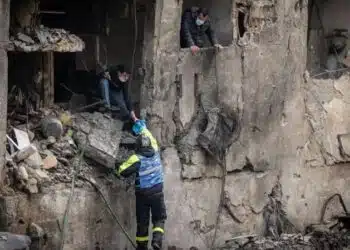
Each side blamed the other for the failure of the 21-hour-long negotiations. The conflict has killed thousands and sent global oil prices soaring since it began over six weeks ago.
“The bad news is that we have not reached an agreement, and I think that’s bad news for Iran much more than it’s bad news for the United States of America,” Vice President JD Vance, the head of the U.S. delegation, told reporters shortly before he left Islamabad.
U.S. Cites ‘Red Lines’ While Iran Slams ‘Excessive’ Demands
“So we go back to the United States having not come to an agreement. We’ve made very clear what our red lines are,” Vance added.
The U.S. delegation later left Pakistan, while the Iranians were to depart later on Sunday, according to two Pakistani sources. Vance stated that Iran chose not to accept American terms, specifically regarding nuclear weapons.
“We need to see an affirmative commitment that they will not seek a nuclear weapon, and they will not seek the tools that would enable them to quickly achieve a nuclear weapon. That is the core goal of the president of the United States, and that’s what we’ve tried to achieve through these negotiations.”
The Islamabad negotiations, following a ceasefire earlier in the week, represented the first direct U.S.-Iranian meeting in over a decade. They were the highest-level discussions since the 1979 Islamic Revolution.
Iran’s semi-official Tasnim news agency claimed “excessive” U.S. demands hindered progress. Other Iranian media suggested agreement existed on several issues, but the Strait of Hormuz and Iran’s nuclear programme remained the primary points of friction.
A Climate of Mistrust
A spokesperson for Iran’s foreign ministry noted the talks occurred in an atmosphere of mistrust. “It is natural that we shouldn’t have expected to reach agreement in just one session,” the spokesperson said.
“It is imperative that the parties continue to uphold their commitment to ceasefire,” Pakistan’s Foreign Minister Ishaq Dar said in a statement. The two sides had agreed on Tuesday to a two-week truce to wind down a war that began on 28 February with air strikes by the U.S. and Israel on Iran.
During his press conference, JD Vance Pakistan visit did not include specific mentions of reopening the Strait of Hormuz. Tehran has blocked this vital choke point, which handles 20% of global energy supplies, since the war began.
Vance confirmed he spoke with President Donald Trump roughly a dozen times during the session. However, Trump suggested on Saturday that a deal was not strictly necessary.
“We’re negotiating, whether we make a deal or not makes no difference to me, because we’ve won,” Trump told reporters.
The Battle for the Strait of Hormuz
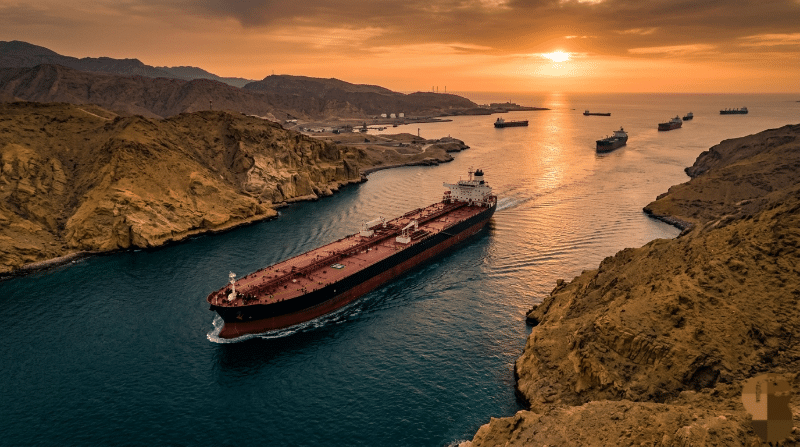
Despite the lack of a formal deal, three supertankers laden with oil passed through the Strait of Hormuz on Saturday. Shipping data indicates these were the first vessels to exit the Gulf since the ceasefire began. Hundreds of tankers remain stuck, waiting for passage.
Tehran continues to demand the release of frozen assets, control of the Strait, and war reparations. Conversely, Trump seeks free passage for global shipping and the total crippling of Iran’s nuclear enrichment programme.
Meanwhile, U.S. ally Israel continues to bomb Tehran-backed Hezbollah militants in Lebanon. Israel maintains that this conflict is separate from the U.S.-Iran ceasefire, while Iran insists all regional fighting must stop.