

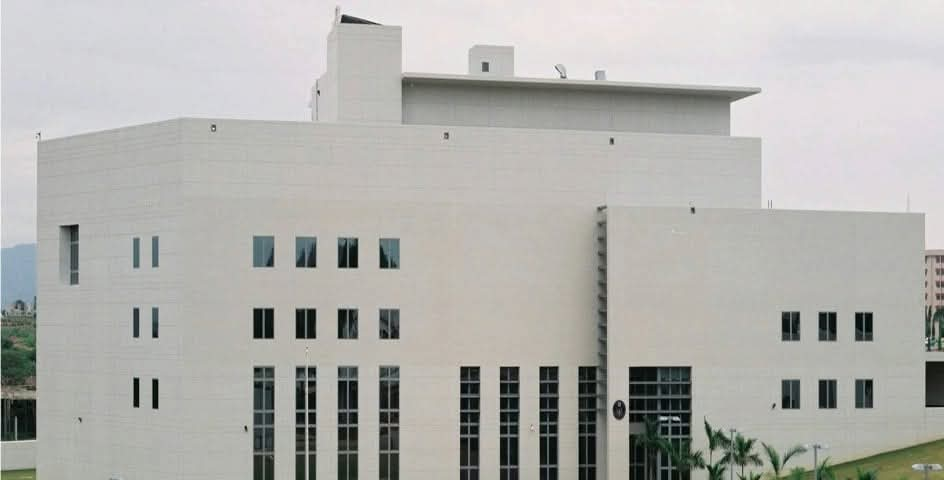
The United States Department of State has authorised non-emergency government employees and their families to depart the embassy in Abuja. This decision follows a deteriorating security situation across the West African nation.
In a refreshed travel advisory released on Wednesday, officials warned Americans to reconsider trips to Nigeria. The update, effective from 8 April 2026, highlights persistent threats from crime, terrorism, kidnapping, and civil unrest.

Escalating Risks and Embassy Evacuations
The department has classified Nigeria as a “Level 3: Reconsider Travel” destination. However, the situation in specific regions is far more severe. Currently, 23 states are now under a “Level 4: Do Not Travel” warning—the highest risk category.
New additions to this restricted list include Plateau, Jigawa, Kwara, Niger, and Taraba. The State Department confirmed the departure of personnel in a formal statement:
“On April 8, 2026, the Department of State authorised non-emergency US government employees and US government employee family members to leave US Embassy Abuja due to the deteriorating security situation.”
The advisory further urged citizens to “reconsider travel to Nigeria due to crime, terrorism, unrest, kidnapping, and inconsistent availability of healthcare services.”
Regional Breakdown of ‘Do Not Travel’ Zones
The security landscape remains volatile, with the US government citing “unstable and uncertain” conditions.
Northern Risks
In the North, states under the Level 4 advisory include Borno, Yobe, Kogi, and northern Adamawa. These areas face high risks of terrorism and kidnapping. Other northern states, such as Kano, Kaduna, and Zamfara, are plagued by community violence and roadside banditry.
Southern Risks
Southern and southeastern regions are also under heavy scrutiny. US citizens are advised to avoid Abia, Anambra, Delta, and Rivers (excluding Port Harcourt). The advisory warns that “crime is widespread in southern Nigeria,” noting a high risk of violent protests and armed gangs.
Safety Concerns for US Citizens
The State Department noted that American citizens are often perceived as wealthy, making them prime targets for carjacking and kidnapping for ransom. Terrorist threats also persist in public spaces like markets, hotels, and places of worship.
Furthermore, the advisory cautioned that local medical facilities often fall short of international standards. Health services are described as limited and inconsistent across most of the country.
Those still intending to travel are urged to enrol in the Smart Traveler Enrollment Programme (STEP) and establish personal “proof of life” protocols.