
Oyo South Senatorial candidate of the Allied Peoples’ Movement (APM), Hon. Adedeji Dhikrullahi Olajide (Odidiomo), urged Ibadan residents on Friday to secure their Permanent Voter Card for the 2027 general election.
The Allied Peoples’ Movement (APM) politician is currently touring the Oyo South senatorial district. He aims to boost early voter registration ahead of Nigeria’s 2027 general election. Olajide currently represents the Ibadan North-West/Ibadan South-West federal constituency in the House of Representatives.

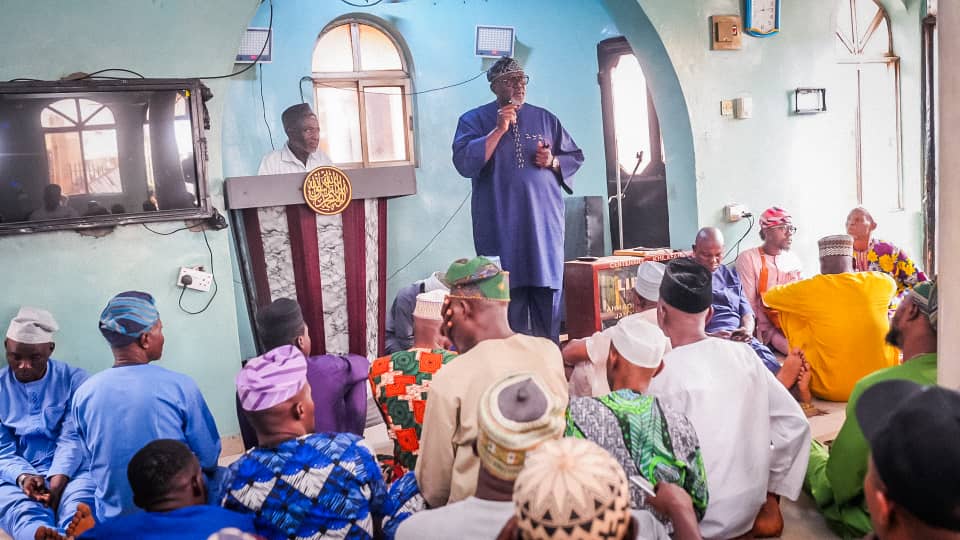
The engagement took place following Friday prayers at the Ahmadiyya Mosque in Apata. Olajide met directly with Islamic clerics, local community leaders, and regular worshippers.
Addressing the congregation, the two-term lawmaker argued that sustained civic involvement secures infrastructural development. He warned that voters must prepare now rather than waiting for official campaign windows to open.
“The future of our communities lies in our participation. I encourage everyone who is eligible to register, collect your Permanent Voter Card and exercise your constitutional right to vote. Every vote matters in determining the quality of leadership we desire,” he said.
During the visit, Olajide pledged N5 million towards the mosque’s ongoing development projects. He cited the influence of religious bodies in maintaining social cohesion.
“Places of worship play significant roles in promoting peaceful coexistence. Supporting them is an investment in our future and in the moral fabric of society,” he stated.
Tolu Mustapha, Special Adviser on Media and Public Affairs to the lawmaker, released a statement outlining the strategy. He confirmed the visits target traditional institutions and faith groups across the region.
Hon. Olajide is using these grassroots consultations to promote his senatorial ambition. He intends to expand his current legislative work across education, healthcare, security, and local infrastructure.
Permanent Voter Card Issues Highlight Systemic Apathy
The timing of Olajide’s outreach reflects a deliberate shift in Nigerian political strategy. Politicians are moving away from last-minute rallies to continuous registration drives.
Historically, voter turnout across urban centres in southwestern Nigeria often drops during general elections. Millions of printed cards remain uncollected at Independent National Electoral Commission (INEC) offices nationwide. By framing the Permanent Voter Card as a tool for immediate community leverage, legislative contenders are attempting to build reliable voting blocs early.
For voters in the Oyo South senatorial district, this early campaigning forces candidates to account for their current performance. Citizens facing severe economic pressures often view civic engagement as secondary. Local politicians must therefore actively demonstrate how voting directly impacts daily survival and basic amenities.
Mobilising the Oyo South Senatorial District
The transition from the House of Representatives to a senatorial bid requires massive logistical planning. Members of the National Assembly frequently use constituency intervention funds to consolidate support across these larger jurisdictions.
As the 2027 general election approaches, political parties are quietly upgrading their internal ward structures. The emphasis on basic civic duties serves a dual purpose. It builds necessary campaign visibility while locking in candidate alignment with influential community leaders.
Targeting religious centres remains a highly effective method for reaching dedicated, organised demographics. Mosques and churches command significant social authority in Ibadan. When a lawmaker secures the implicit backing of a religious leader, that endorsement often translates directly into higher voter registration rates within the congregation.
Whether this specific early mobilisation translates into higher turnout at the polls remains uncertain. Success will ultimately depend on INEC’s capacity to streamline the actual collection process. Many young voters complain about bureaucratic hurdles at local government offices. If the electoral commission fails to clear these logistical bottlenecks, even the most aggressive grassroots campaigns will struggle to convert registered citizens into active voters on election day.