

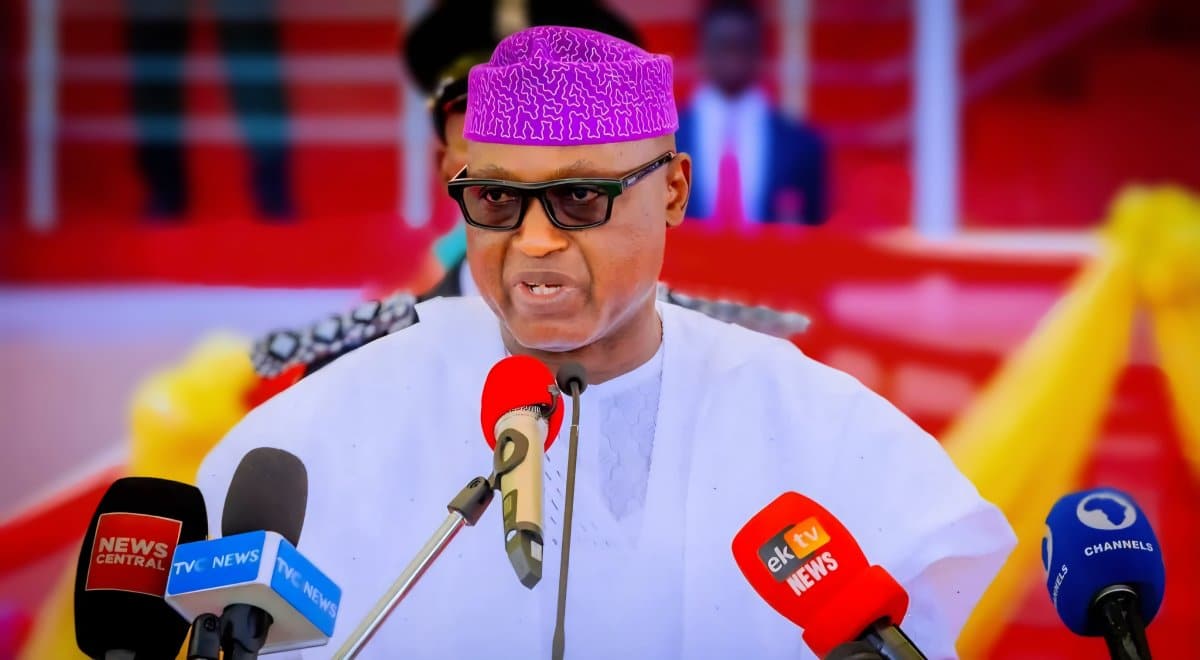
The Ekiti State House of Assembly has officially passed a landmark bill to establish state police, marking a major step forward for decentralised policing across Nigeria. Lawmakers gathered at the Assembly sitting on Wednesday to approve the landmark measure, which received unanimous backing from all 21 members present.
Why State Police Matters for Local Communities
The legislation, formally known as the Constitution of the Federal Republic of Nigeria, 1999 (Sixth Alteration) Bill, 2026, sets out a clear framework for local security reform. Babatunde Oke, who serves as the Chairman of the House Committee on Media and Public Affairs, released a statement in Ado Ekiti on Wednesday to confirm the decision. He noted that after the passage of the bill, Speaker of the Assembly Adeoye Aribasoye instructed the Clerk of the House to forward the document to the National Assembly. This transmission also included specific observations made by the state legislature.

Oke shared comments from the Speaker, who noted that the creation of state police has remained at the forefront of national discussions for more than twenty years.
Addressing Growing Security Challenges in Nigeria
Aribasoye explained that the Ekiti Assembly faced a historic opportunity to state its position clearly on the matter. He stressed the urgent need for effective, responsive security measures. According to Aribasoye, the ongoing security challenges in Nigeria demand practical solutions that directly address everyday citizen concerns.
Nigerians have repeatedly expressed concerns over delayed responses to distress calls, limitations in operational reach and the distance between law enforcement agencies and the communities they were meant to protect,” Aribasoye stated.
He added that inadequate and poorly coordinated local policing structures have worsened insecurity in various regions. These gaps threaten livelihoods, disrupt education, undermine business confidence and erode public trust in governance.
Strengthening Accountability Through Decentralised Policing
The Speaker pointed out that a well-structured system of state police can boost accountability. By bringing leadership and oversight closer to local citizens and their chosen representatives, communities can enjoy better protection under strict constitutional safeguards.
Aribasoye stated that the country cannot afford any further delays in tackling security threats. He described the move toward state police as a long-overdue practical necessity rather than a simple theoretical debate.
“The challenges of policing in Nigeria require practical solutions capable of addressing the concerns of citizens,” Aribasoye noted.
Committee Review and Next Steps for the Ekiti State House of Assembly
Oke explained that the Committee of the Whole House reviewed the Sixth Alteration Bill in detail. Their official report recommended granting full concurrence to the proposed constitutional changes, subject to a specific amendment regarding Section 317A(5).
The committee confirmed that members examined the text clause by clause. They carefully evaluated the legal framework for establishing and running local security services before advising the House to approve the bill. The Ekiti State House of Assembly has now passed the document onward, setting the stage for federal legislative review.