
• About
  • Advertise
  • Careers
  • Contact
Tuesday, February 10, 2026
  • Login
No Result
View All Result
NEWSLETTER
Reporters At Large
  • Home
  • News
    • World
    • For The Record
    • Metro
    • Opinion
    • Press Releases
  • Business
    • Auto Trend
  • Politics
  • Tourism
  • Lifestyle
    • People & Events
    • Health
  • RAL TV
    • Video
    • Video News
  • More
    • Advertisement
    • Privacy
    • Disclaimer
    • Contact Us
  • Home
  • News
    • World
    • For The Record
    • Metro
    • Opinion
    • Press Releases
  • Business
    • Auto Trend
  • Politics
  • Tourism
  • Lifestyle
    • People & Events
    • Health
  • RAL TV
    • Video
    • Video News
  • More
    • Advertisement
    • Privacy
    • Disclaimer
    • Contact Us
No Result
View All Result
Reporters At Large
No Result
View All Result
Home Lifestyle Health

Eating Too Little Salt May Increase Risk Of Heart Attack —Research

by ReportersAtLarge
May 21, 2016
in Health
Reading Time: 4 mins read
0
Salt
Share on WhatsappShare on FacebookShare on TwitterShare on Linkedin

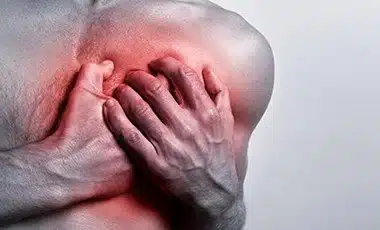
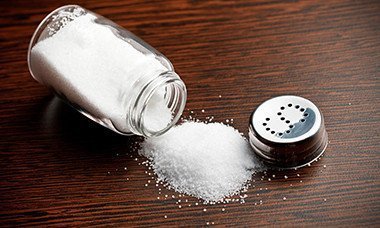
It has long been held that a diet high in salt is dangerous to the heart, raising the risk of heart attack and stroke. However, a significant shift in scientific evidence suggests that the opposite may also hold.

A global study has found that low-salt diets may not be beneficial, contrary to past beliefs.

Instead, compared with average salt consumption, they can increase the risk of cardiovascular disease and death.

ADVERTISEMENT

The study, published in the reputable Lancet journal, has garnered a strong reaction, with one expert declaring his ‘disbelief’. In contrast, others are critical of the study’s methods and calling its findings into question.

Investigators from Hamilton Health Sciences and McMaster University carried out the research.

RelatedPosts

5 Heart-Healthy Habits For Heart Disease Prevention

7 Essential First Aid Treatments You Should Know

Ace Mall Chairman, Adeyinka Afonja Donates Visual Field Machine To UCH Ophthalmology Department

They analysed more than 130,000 people across 49 countries, focusing on whether the relationship between sodium (salt) intake and death, heart disease and stroke differs in people with high blood pressure compared to those with normal blood pressure.

Their findings showed that regardless of whether people have high blood pressure, low salt intake is linked to a greater incidence of heart attacks, strokes, and deaths compared to average intake.

Dr Andrew Mente, lead author and associate professor of clinical epidemiology and biostatistics at McMaster’s Michael G. DeGroote School of Medicine, hailed the findings ‘extremely important’ for those suffering high blood pressure.

He said, ‘While our data highlights the importance of reducing high salt intake in people with hypertension (high blood pressure), it does not support reducing salt intake to low levels.

‘Our findings are important because they show that lowering sodium is best targeted at those with hypertension who also consume high sodium diets.’

The NHS advises adults in the UK to eat no more than 6 g of salt daily, around one teaspoon.

In the US, the Centres for Disease Control and Prevention (CDC) recommends that Americans consume less than 2,300 milligrams daily. However, evidence suggests that the average American consumes 3,400mg daily.

Meanwhile, the typical sodium intake in Canada is between 3.5 and 4g per day.

However, some guidelines have suggested that the entire population lower their salt intake to below 2.3g a day—a level that fewer than five per cent of Canadians and people worldwide consume.

In the past, some research has shown that low-salt diets, compared to average intake, are linked to increased cardiovascular risk and mortality, even though low sodium intake is linked to lower blood pressure.

This new study shows that the risks linked with low-salt intake, classified as less than three grams daily, are consistent regardless of a patient’s blood pressure.

salt in a bowl Further, the findings show that while there is a limit below which sodium intake may be unsafe, the harm associated with high sodium consumption appears to be confined to only those with hypertension.

Only about 10 per cent of the population in the global study had both hypertension and high sodium consumption – defined as greater than six grams per day.

Dr Mente said that this suggests that the majority of individuals in Canada and most countries are consuming the right amount of salt.

He added that targeted salt reduction in those most susceptible because of hypertension and high salt consumption may be preferable to a population-wide approach to reducing sodium intake in most countries except those where the average sodium intake is very high, such as parts of central Asia or China.

He added that the current recommendation for a healthy daily ceiling for sodium consumption appears to be too low, regardless of a person’s blood pressure level.

‘Low sodium intake reduces blood pressure modestly, compared to average intake, but low sodium intake also has other effects, including adverse elevations of certain hormones, which may outweigh any benefits,’ Dr Mente said.

‘The key question is not whether blood pressure is lower with very low salt intake, but whether it improves health.’

Dr Martin O’Donnell, a co-author of the study and an associate clinical professor at McMaster University and the National University of Ireland Galway, said, ‘This study adds to our understanding of the relationship between salt intake and health and questions the appropriateness of current guidelines that recommend low sodium intake in the entire population.’

‘An approach that recommends salt in moderation, particularly focused on those with hypertension, appears more in line with current evidence.’

Blasting the results, Professor Francesco Cappuccio, head of the World Health Organization Collaborating Centre for Nutrition, and of the University of Warwick, condemned the study as ‘bad science’.

He criticised the methodology, mainly because researchers assessed salt intake using early morning urine tests and extrapolated the results over 24 hours using an ‘inadequate equation’.

He said: ‘It is with disbelief that we should read such bad science published in The Lancet.

The evidence supporting global actions for a moderate reduction in salt consumption to prevent cardiovascular disease is strong. Such studies should not overturn the concerted public health action to reduce salt intake globally.

Other experts’ criticism of the researchers’ methods added to his scathing assessment.

Professor Graham MacGregor, at Queen Mary University and chairman of World Action On Salt, said: ‘The evidence for salt causing high blood pressure and that reducing salt intake lowers blood pressure and prevents strokes and heart attacks, is overwhelming.

‘This current study, because of the weakness of the design, does not in any way overturn public health messages to reduce salt intake, both in the UK and worldwide.’

The study was funded from over 50 sources, including the PHRI, the Heart and Stroke Foundation of Canada and the Canadian Institutes of Health Research.

Source: DailyMail

Tags: discovery newsHealthy LifestyleHealthy Livingheart attackRESEARCHsaltscience newsscientists
SendShare1TweetShare
ReportersAtLarge

ReportersAtLarge

Reporters At Large is the world’s fastest-growing online news platform and public service broadcaster. We’re impartial and independent, and every day we create distinctive, world-class programmes and content which inform, educate and entertain millions of people in Nigeria and around the world.

More

heart attack
Health

5 Heart-Healthy Habits For Heart Disease Prevention

by ReportersAtLarge
February 7, 2026
0

Discover the top 5 heart-healthy habits proven to help prevent heart disease. Prioritize your well-being by eating a balanced diet...

Read moreDetails
First Aid Box for health treatment
Health

7 Essential First Aid Treatments You Should Know

by ReportersAtLarge
February 7, 2026
0

First aid is the initial assistance provided to someone experiencing a medical emergency. It encompasses a range of practices aimed...

Read moreDetails
Ace Mall Chairman, Adeyinka Afonja Donates Visual Field Machine To UCH Ophthalmology Department
Health

Ace Mall Chairman, Adeyinka Afonja Donates Visual Field Machine To UCH Ophthalmology Department

by ReportersAtLarge
January 16, 2026
0

Prince Adeyinka Afonja, Chairman of Ace Mall and celebrated philanthropist, has reinforced his dedication to community development and healthcare advancement...

Read moreDetails
Load More

Leave a Reply Cancel reply

Your email address will not be published. Required fields are marked *

Recommended

Rahmon Adedoyin with OAU student

OAU Slain Student: Hotel Owner, Six Others Charged With Murder, Others

4 years ago
JAMB Cut-Off Marks

JAMB Warns Candidates, Officials Against Exams Malpractice

9 years ago

Popular News

  • Court Gavel - Court Judgement on Social Media

    The Court Of Appeal Judgement And Separation Of Powers: Senator Natasha Akpoti-Uduaghan And The Clerk Of The National Assembly OF The Federal Republic OF Nigeria and 3 ORS

    0 shares
    Share 0 Tweet 0
  • How An Oyo Senator Humbled Me In Ibadan – Olasunbo Abimbola Debby

    0 shares
    Share 0 Tweet 0
  • Senator Adeseun Reveals Reason Behind Establishment Of Federal Polytechnic Ayede

    0 shares
    Share 0 Tweet 0
  • Senator Alli’s ‘Flow With Dignity’ Initiative Reaches 10,000 Ibarapa Schoolgirls

    0 shares
    Share 0 Tweet 0
  • 5 Heart-Healthy Habits For Heart Disease Prevention

    0 shares
    Share 0 Tweet 0

Connect with us

ADVERTISEMENT

About Us

Reporters At Large is the world’s fastest-growing online news platform and public service broadcaster. We’re impartial and independent, and every day we create distinctive, world-class programmes and content which inform, educate and entertain millions of people in Nigeria and around the world.

With a high level of professionalism, fairness, objectivity, accuracy and speed, we publish Breaking News Nigeria Today Headlines and International news on Politics, Tourism and Travel, Entertainment, Sports, Business Lifestyle and Sports.

Category

  • Auto Trend
  • Breaking Bones
  • Business
  • Columns
  • Entertainment
  • Featured
  • For The Record
  • Health
  • Innovation
  • Lifestyle
  • Metro
  • News
  • Opinion
  • People & Events
  • Politics
  • Press Releases
  • Science & Technology
  • Sponsored
  • Sport
  • Tourism & Culture
  • Video
  • Video News
  • WorldNews

Recent Posts

  • The Court Of Appeal Judgement And Separation Of Powers: Senator Natasha Akpoti-Uduaghan And The Clerk Of The National Assembly OF The Federal Republic OF Nigeria and 3 ORS February 10, 2026
  • How An Oyo Senator Humbled Me In Ibadan – Olasunbo Abimbola Debby February 9, 2026
  • Senator Adeseun Reveals Reason Behind Establishment Of Federal Polytechnic Ayede February 8, 2026
  • Senator Alli’s ‘Flow With Dignity’ Initiative Reaches 10,000 Ibarapa Schoolgirls February 8, 2026
  • 5 Heart-Healthy Habits For Heart Disease Prevention February 7, 2026
May 2016
SMTWTFS
1234567
891011121314
15161718192021
22232425262728
293031 
« Apr   Jun »
  • Home
  • News
  • Business
  • Politics
  • Tourism
  • Lifestyle
  • RAL TV
  • More

© 2016-2024 RAL - Guided by professionalism

Welcome Back!

Login to your account below

Forgotten Password?

Retrieve your password

Please enter your username or email address to reset your password.

Log In
No Result
View All Result
  • Home
  • News
    • World
    • For The Record
    • Metro
    • Opinion
    • Press Releases
  • Business
    • Auto Trend
  • Politics
  • Tourism
  • Lifestyle
    • People & Events
    • Health
  • RAL TV
    • Video
    • Video News
  • More
    • Advertisement
    • Privacy
    • Disclaimer
    • Contact Us

© 2016-2024 RAL - Guided by professionalism

Verified by MonsterInsights