
As preparations intensify for the FIFA 2026 World Cup, voices across the continent have openly questioned whether an African football boycott is now on the table. It is an extraordinary turning point in international sports governance. Imagine the fallout if other regional confederations begin asking the exact same question—and actually act on it. What has become undeniably clear is that the current administration of global football is broken. The game urgently demands a new, genuinely inclusive model before the global audience turns away entirely.
Why an African Football Boycott Is No Longer Unthinkable
The global game stands at an unprecedented crossroads. Disillusionment across member confederations has reached a breaking point as decisions made at the highest levels increasingly prioritize commercial interest over equity. When prominent African football figures openly raise the prospect of withdrawing from the showpiece tournament, decision-makers in Zurich must pay attention.
A tournament stripped of representative global participation loses its legitimising foundation. If one major confederation decides to step back, the domino effect could dismantle the credibility of international competition. Football cannot remain a sport governed by a closed circle whilst expecting unwavering loyalty from the global south.
The Essential Role of National Football Associations
To rescue the sport from administrative decay, national football associations must be at the centre of accommodating football lovers in their countries into football structures. For far too long, national governing bodies have operated as top-down bureaucracies rather than community facilitators.
Local clubs must also play their direct role in the mobilisation of fans into football activities. Grassroots engagement cannot be an afterthought reserved for promotional campaigns; it must form the structural bedrock of every domestic league and national federation.
Tackling Empty Stadium Matches and Exclusion
Restoring local fan engagement directly targets one of the most visible symptoms of administrative neglect: the persistent ’empty stadium during matches’ pandemic. Across several domestic leagues and international qualifiers, echoing, half-filled venues have become an embarrassing norm.
When match tickets are priced beyond the reach of working-class supporters and local clubs are disconnected from their communities, empty stands are the natural outcome. Football belongs to all the people, the world over, and not only to a politically connected elite.
Reconnecting local clubs with their immediate fanbases is the only sustainable cure for silent stadiums.
Reforming Governance Ahead of the FIFA 2026 World Cup
The struggle of making football a game for all continues against a backdrop of deep institutional controversy. The governing body is not above the law. Even ex-FIFA senior executives who were once powerful are today either out of football and/or fighting to stay out of jail.
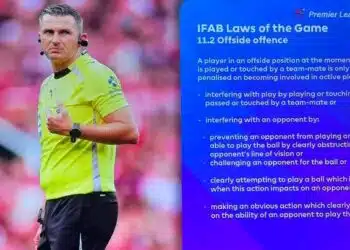
Controversy on the pitch has only deepened public mistrust. Recent fixtures have seen highly controversial refereeing decisions, including an alleged suspended red card, after political interference by the US President. When political figures exert influence over match officiating and governance, the integrity of the sport itself is compromised.
The upcoming FIFA 2026 World Cup cannot simply be business as usual. True governance reform requires shifting power back to local supporters, ensuring transparent refereeing standards, and dismantling the culture of elite political privilege. Until grassroots supporters and member nations receive equal respect, the fundamental battle for the soul of the beautiful game remains unfinished.