
Navigating Nigerian roads today is no longer simple. For the average middle-class vehicle owner, owning a car has shifted from a routine convenience into a major luxury investment. Because inflation and foreign exchange volatility keep rising, maintaining a vehicle demands careful financial planning. Import costs for automotive spare parts have soared, making every repair bill heavier. Unsurprisingly, this economic squeeze forces drivers to rethink their choices, especially regarding car insurance and comprehensive protection.
Replacing a bumper or an engine block costs vastly more today than it did a few years ago. Because of this, policyholders face a tough question. Are comprehensive car insurance policies still worth the financial commitment?

Rising Costs and Car Insurance Underwriters
To understand premium changes, look at the math facing insurance companies registered under the National Insurance Commission. When a vehicle gets stolen or wrecked in an accident, the insurer must repair or replace it at current market value.
Because imported parts and labor costs have surged, underwriting risk has skyrocketed. Insurance firms must adjust their premium calculations upward. For many car owners, seeing a higher renewal invoice for a comprehensive policy triggers an instant urge to downgrade. They drop down to statutory third-party insurance to save quick cash.
Comprehensive Motor Insurance vs Third-Party Cover
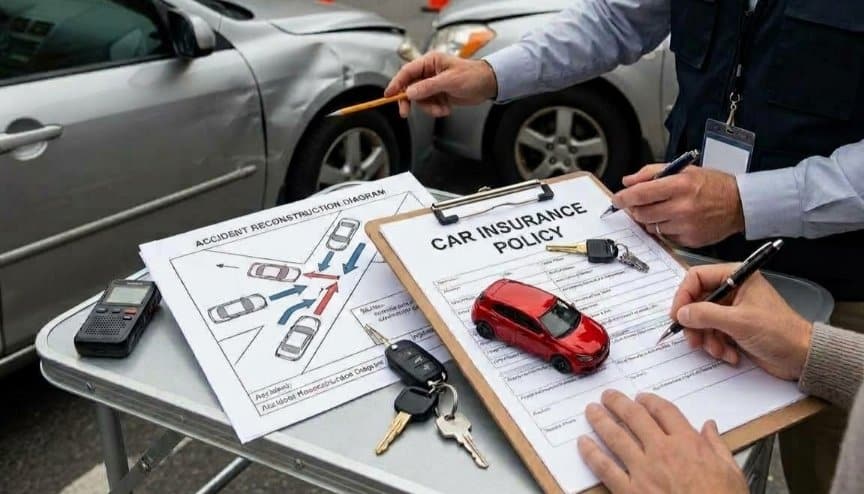
In Nigeria, third-party motor insurance is a legal requirement for driving on public roads. It protects you against liability for damage or injury caused to other people or property. However, it offers zero protection for your own car if you face an accident, fire damage, or theft.
Downgrading to third-party coverage to save cash upfront often leads to a financial trap. If a vehicle gets written off or gutted by fire, the owner pays 100% of the replacement cost out of pocket. In contrast, a comprehensive motor insurance policy acts as a vital safety net. It absorbs major shocks, covering towing expenses, medical bills, and third-party liabilities all at once.
Smart Ways to Reduce Your Vehicle Insurance Policy Cost
Dropping comprehensive coverage entirely is rarely a wise move. Instead, policyholders can optimize their vehicle insurance policy to survive economic tightening without losing security:
- Opt for Higher Deductibles: Agreeing to pay a slightly higher out-of-pocket amount for minor claims lowers your annual premium.
- Bundle Policies: Many leading insurance companies offer discounts when you bundle your auto coverage with other plans.
- Install Security Systems: Underwriters reward risk mitigation. Vehicles equipped with verified GPS tracking systems qualify for risk-adjusted discounts.
Navigating Claims in a Volatile Market
The true test of any insurance provider is its claims settlement speed and transparency. Policyholders often complain about bureaucratic hurdles during claims processing. Yet, working with reputable, capitalized underwriters ensures that payout adjustments match current market realities rather than outdated vehicle valuation books.
As economic pressures persist, viewing protection not as an arbitrary tax or dead expense remains vital. For vehicle owners navigating high-risk roads, a well-structured policy is essential financial self-preservation.