

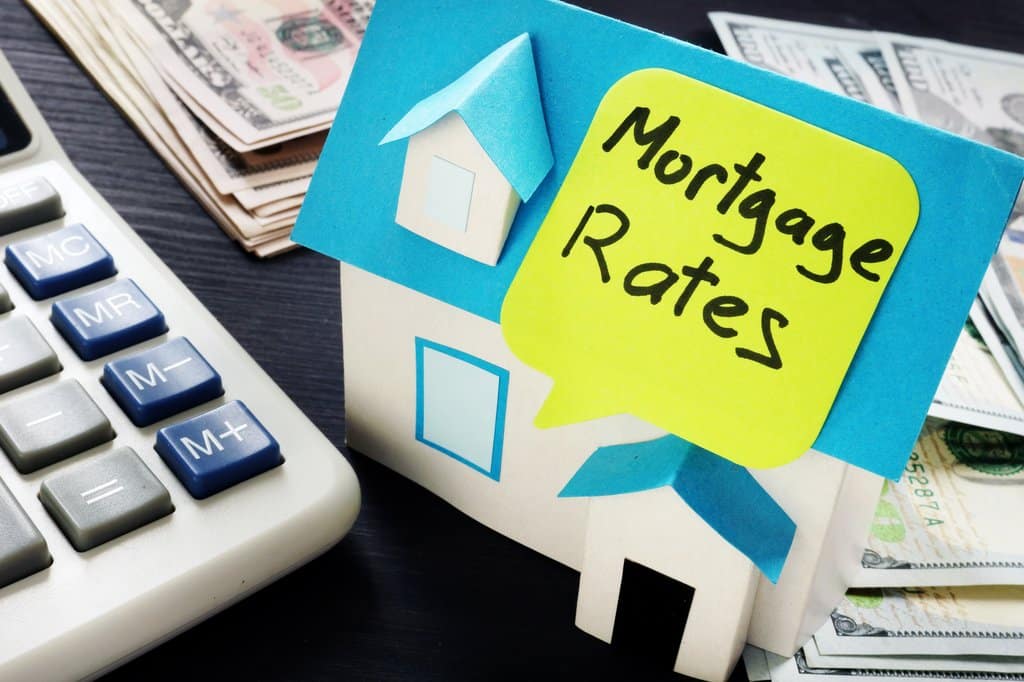
The average long-term US mortgage rate rose to 6.55% this week following renewed military strikes in Iran. The surge marks the highest borrowing threshold for American homebuyers in nearly a year, reversing a brief period of cooling inflation.
Investors fleeing to safe-haven assets have driven up bond yields, directly impacting consumer lending across the United States.
The sudden escalation has dismantled early-season forecasts that predicted a sustained easing of the domestic property market.
In February, the benchmark mortgage rate dipped below 6% for the first time in over three years, triggering a temporary rise in buyer optimism.
Subsequent hostilities in the Middle East disrupted that trend, stoking Wall Street anxieties regarding crude oil volatility and broader US housing market inflation.
Data indicates that these sustained high borrowing costs are actively deterring prospective buyers from entering the market.
Pending home sales dropped by 5.4% month-over-month in June, according to the National Association of Realtors (NAR).
“The highest mortgage rates in nearly a year and the record-high national median home price together are contributing to a tepid housing market that is especially difficult for first-time homebuyers,” said NAR chief economist Lawrence Yun.
Concurrently, weekly mortgage applications fell by 7%, registering a 2% decline compared to the same period last year.
Geopolitical Friction Overrules Domestic Monetary Easing
This shift highlights how deeply domestic consumer finance is tied to Middle East energy security.
While domestic economic indicators normally dictate lending terms, the threat of prolonged foreign warfare has effectively bypassed traditional Federal Reserve influence.
For the average citizen, this structural shift means international military strategies now directly dictate the local mortgage rate and individual purchasing power.
Lenders track the 10-year Treasury yield, which experienced severe volatility this week after a temporary ceasefire between Washington and Tehran collapsed.
The brief diplomatic pause last month had successfully lowered energy costs, bringing annual inflation down to 3.5% in June from 4.2% in May.
However, the resumption of active combat pulled fuel costs upward, forcing average US petrol prices to jump 15 cents in a single week to $3.94 per gallon.
“Mortgage rates are caught between cooler inflation data and renewed energy risks,” Kara Ng, a Zillow senior economist, said. Softer June inflation reduced the likelihood of a near-term Federal Reserve rate increase, but higher oil prices are keeping pressure on the inflation outlook and borrowing costs.
Mortgage Rate: Legislative Interventions Fail to Direct Bond Markets
Analysts suggest any commercial mortgage rate will remain stubborn, with Zillow projecting averages to decrease marginally to 6.4% by the end of 2026.
The crisis coincides with new bipartisan housing affordability legislation designed to stimulate property supply and restrict private equity acquisitions of single-family homes.
Because long-term borrowing costs are determined independently by international bond trading, the new statutory frameworks cannot directly lower user housing costs.
President Donald Trump allowed the legislation to pass into law without his signature, explicitly critiquing its scope on social media.
In a public post outlining his objections, Trump stated the new law was “of minor importance compared to lower interest rates.”