

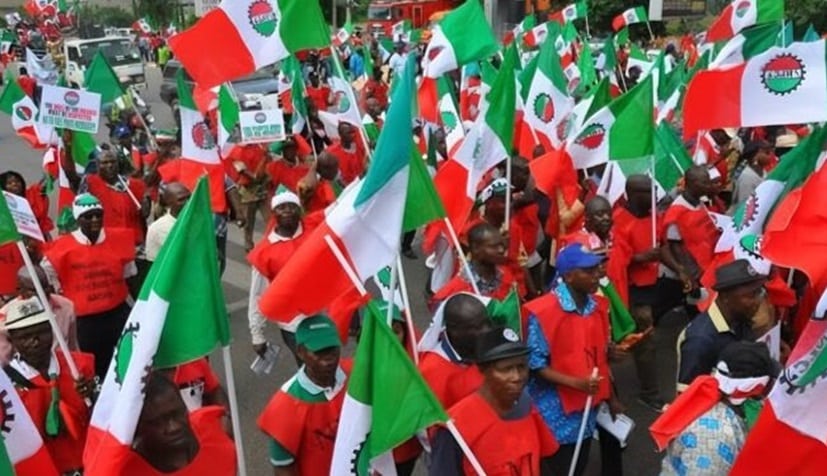
The Nigeria Labour Congress (NLC) on Tuesday grounded early flights in Lagos, leaving passengers scheduled to travel on an Air Peace flight stranded at the airport.
Trade union pickets locked the Zulu terminal gate at Murtala Muhammed International Airport at approximately 05:00 local time (04:00 GMT). The action halted operations for Air Peace, Nigeria’s largest domestic carrier, leaving hundreds of morning travellers stranded.

An Air Peace flight scheduled to depart for Abuja at 06:30 local time remained on the tarmac as terminal access was entirely blocked.
Primary real-world entities involved in the dispute include the Nigeria Labour Congress (NLC), airline operator Air Peace, and the Federal Airports Authority of Nigeria (FAAN) at Murtala Muhammed Airport in Lagos. The sudden shutdown underlines persistent friction between organised labour and private aviation firms across West Africa.
Travellers expressed growing anger as terminal corridors filled with delayed passengers receiving minimal official communication from airport staff.
One passenger told reporters that “the delay had disrupted his schedule, expressing concern that he could not tell when the flight would eventually depart.”
Another traveller stated that she had arrived at the airport early for the 06:30am flight but was left stranded without clear information on when operations would resume.
Air Peace management confirmed the disruption but initially declined to issue an official explanation for the picket lines. Calls to the airline’s customer support centre failed to connect throughout the morning.
NLC Air Peace protest highlights aviation union struggle
The blockade represents a significant escalation in the dispute between organised labour and Nigeria’s private aviation sector. Industry sources confirmed the “protest was intended to enforce Air Peace employees’ right to join the union.”
Section 40 of the Nigerian Constitution guarantees freedom of association, including the right to form or join trade unions for the protection of employee interests. However, several private airlines operating within the country have consistently resisted formal unionisation, citing operational flexibility and cost management.
This confrontation reflects broader economic pressures within Nigeria’s aviation market. Air carriers face severe operational headwinds, including foreign exchange volatility, high jet fuel costs, and rising maintenance expenses. Labour leaders argue that workers bear an unfair burden of these economic pressures when denied collective bargaining power.