

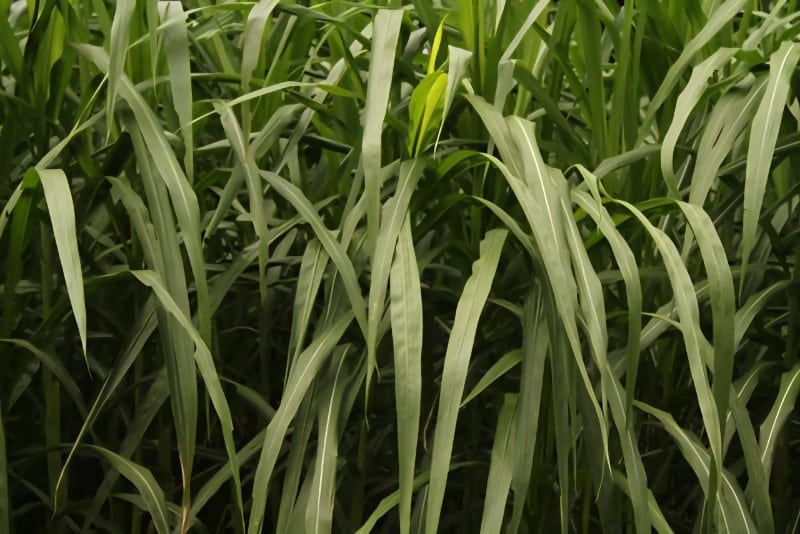
Elephant grass, Pennisetum purpureum, a towering, fast-growing perennial grass, is often viewed as a nuisance, a weed that overruns pastures and requires diligent management. However, beneath its imposing stature lies a wealth of untapped potential, particularly in the realm of health and wellness. While research is still emerging, current studies suggest that elephant grass could be a valuable ally in promoting human health, offering a range of benefits that warrant further exploration.
A Nutritional Powerhouse
One of the most significant health benefits of elephant grass lies in its nutritional profile. Despite its widespread use as livestock fodder, the grass itself contains several essential nutrients that are beneficial for human consumption.
Rich in Fiber: Elephant grass is exceptionally high in dietary fiber. Fiber is crucial for digestive health, promoting regular bowel movements, preventing constipation, and contributing to a healthy gut microbiome.
Source of Antioxidants: Studies have shown that elephant grass contains various antioxidants, including flavonoids and phenolic compounds. These compounds combat free radicals, reducing oxidative stress in the body and potentially lowering the risk of chronic diseases like cancer and heart disease.
Potential for Mineral Richness: While the specific mineral content can vary depending on the soil and growing conditions, elephant grass has been shown to absorb and accumulate minerals from the soil. This makes it a potential source of essential minerals like potassium, magnesium, and calcium, which are vital for various bodily functions.
Exploring Medicinal Applications
Beyond its nutritional value, elephant grass holds promise in various medicinal applications, often stemming from traditional uses and preliminary scientific investigations.
Anti-inflammatory Properties: Research suggests that extracts from elephant grass may possess anti-inflammatory properties. Inflammation is a key factor in many chronic diseases, and the ability of elephant grass to modulate inflammatory pathways could offer therapeutic benefits.
Antimicrobial Potential: Some studies indicate that certain compounds found in elephant grass have antimicrobial activity, potentially inhibiting the growth of bacteria and other microorganisms. This could lead to the development of natural antimicrobial agents for wound healing or other infections.
Blood Sugar Regulation: Emerging research explores the potential of elephant grass to regulate blood sugar levels. Some studies suggest that the consumption of elephant grass might help improve insulin sensitivity, potentially benefiting individuals with diabetes or prediabetes.
Wound Healing: Traditional practices have often utilized elephant grass for wound healing. The fiber and potential antimicrobial properties of the grass could contribute to accelerated wound closure and reduce the risk of infection.
Navigating the Challenges and Future Directions
While the potential health benefits of elephant grass are encouraging, several challenges and future research directions need consideration.
Bioavailability and Digestibility: Further research is needed to understand the bioavailability of nutrients in elephant grass and to optimize its digestibility for human consumption.
Formulation and Preparation: Developing palatable and easily digestible forms of elephant grass, such as teas, extracts, or food additives, is essential for its practical application.
Standardization and Safety: Establishing standardized methods for cultivating and processing elephant grass to ensure consistent quality and safety is critical for widespread use.
Clinical Trials: Rigorous clinical trials are necessary to confirm the efficacy of elephant grass in treating various health conditions and to determine optimal dosages and potential side effects.
Elephant grass: A Promising Frontier
Often relegated to the margins, the grass is emerging as a potential treasure trove of health benefits. From its rich nutritional profile to its promising medicinal applications, this often-overlooked plant holds the potential to contribute significantly to human well-being. As research continues to unlock its secrets, elephant grass could become a valuable resource in the fight against chronic diseases, promoting digestive health, and fostering overall vitality. By embracing this underutilized resource, we can take a step towards a more sustainable and health-conscious future. The journey of unearthing the full potential of elephant grass is just beginning, promising a landscape of exciting discoveries and benefits for generations to come.