

Ogbomoso did not merely host a festival in December 2025; it moved—on foot, on bicycles, in drums, dances and colours. For five remarkable days, the ancient city transformed into a living stage where culture met motion, homecoming met tourism, and heritage translated into economic energy during the 2nd edition of the Ogbomoso Cradles Carnival.
From the moment over 100 cyclists pedalled out of Ogbomoso at dawn for a 170-kilometre Grand Fondo ride to Iseyin and back, the message was clear: this carnival was about endurance, connection and return. Coordinated by United States-based Ogbomoso indigene, Adebayo Majolagbe, the cycling event set the tone for a festival that fused global participation with local identity. Days later, runners took over the streets for the Ogbomoso Marathon, drawing athletes and spectators into a celebration of health, movement and community pride.
At the heart of the carnival, the Soun Ogunlola Township Stadium became a theatre of identity. More than 100 indigenous socio-cultural associations at home and in the diaspora, age grades, religious bodies and political groups paraded in resplendent traditional attires, paying homage to the Soun of Ogbomosoland, His Imperial Majesty, Oba Ghandi Afolabi Olaoye, Orumogege III. The spectacle of colour, music and coordinated homage reaffirmed Ogbomoso’s unity and its growing confidence as a cultural tourism destination.

The opening ceremony of the 2025 Ogbomoso Cradles Carnival on Thursday, December 19, blended spirituality with celebration. Local cuisines, masquerade performances and traditional drumming filled the air, while the Araba of Osogbo, Chief Yemi Elebuibon, delivered prayers and reflections that underscored a renewed Yoruba consciousness and applauded the monarch’s commitment to cultural revival.
Beyond spectacle, the carnival unfolded as a city-wide economic pulse. Hotels were filled, markets bustled, transport services surged, and local artisans, food vendors and entertainers enjoyed increased patronage. From traditional games such as Ayo Olopon and Scrabble to golf at the Ogbomoso Recreation Club, each activity translated culture into commerce, ensuring the festival touched both heritage and livelihoods.

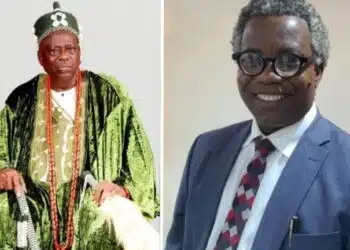
Royal traditions deepened the narrative. The celebration of Odun Oole Oba, uniting the five ruling houses, and the installation of new chiefs—including Dr. Saka Balogun as Balogun of Ogbomosoland and Professor Adesola Adepoju as Asiwaju of Ogbomosoland—drew dignitaries and sons and daughters of the land back to the palace, strengthening bonds between history and the present.
As the festival climaxed with Ajilete Day, Ogbomoso became a canvas of dance, rhythm and performance, featuring the Oyo State Cultural Troupe and international-style acts that delighted thousands. The carnival’s grand finale was less an ending than a declaration of intent.
Senator Buhari Abdulfatai, representing Oyo North in the National Assembly, captured the spirit of the moment when he described the carnival as “the vibrant heartbeat of our culture and a bold vision for the future,” noting that the parade of groups paying homage to the monarch reflected an unbreakable unity and a new confidence in Ogbomoso’s cultural identity.
For Oba Ghandi Afolabi Olaoye, the carnival’s success confirmed its deeper purpose. Beyond celebration and attire, he said, the festival is a strategic platform to reconnect indigenes, attract investors and position Ogbomoso as a hub for cultural and sports tourism.
That vision resonated with Professor Sola Adepoju, who observed that the overwhelming turnout—many returning home for the first time in years—signals the need for expansion and a larger venue in future editions.
In just its second year, the Ogbomoso Cradles Carnival has evolved from an idea into a movement—one that brings people home, puts the city in motion and turns heritage into opportunity. Ogbomoso is no longer just celebrating its past; it is actively cycling, running and dancing into its future.