
Globally, young people make up the majority of the population and carry the promise of the future this energy and potential must be channelled through preparation patience and meaningful contribution if national development goals are to be met. In every society the youth represent its most dynamic demographic.
Studies show that youth are not merely future leaders they are the drivers of economic growth and social transformation today but effective participation requires education, skills opportunities and a commitment to service and civic responsibility.

Globally, the number of unemployed young people aged 15 to 24 was estimated at around 66.9 million in 2025. In 2023 about 13 per cent of the youth labour force worldwide was unemployed, representing roughly 64.9 million young people.
Additionally around 20 per cent of young people were not in employment, education or training (NEET). Young women are twice as likely to be NEET as young men only about 35 per cent of youth worldwide were employed in 2023.
In many developing regions up to 60 per cent of young people are either jobless not in school or stuck in insecure work. These figures highlight that while youth are abundant. many are not yet contributing meaningfully to economic development.
Across Nigeria and Africa, youth make up a significant portion of the population with about 75 per cent under the age of 35. Surveys indicate that around 24 per cent of young Nigerians (aged 18‑35) are actively seeking employment but not employed, investing in this human capital can unlock economic growth, reduce unemployment and strengthen the social fabric by preparing them through leadership development and mentorship.
Nations can convert youthful energy into innovation. entrepreneurship and civic leadership.
National development does not happen overnight, it requires patience on the part of youth, policymakers, educators and communities. Preparation starts with equipping young citizens with relevant skills, critical thinking and ethical frameworks that will guide their decisions as leaders and contributors.
Patience comes with long‑term investment in youth programmes, education and economic participation schemes that do not yield instant results but build resilient capacity over time.
Meaningful contribution is the ultimate expression of youth leadership, it goes beyond rhetoric and token involvement to active participation in socio‑economic activities that matter. Young people who innovate start businesses, champion civic causes and contribute to policy conversations add value to national development they help build sustainable economies, strengthen institutions and inspire others to serve with integrity and purpose.
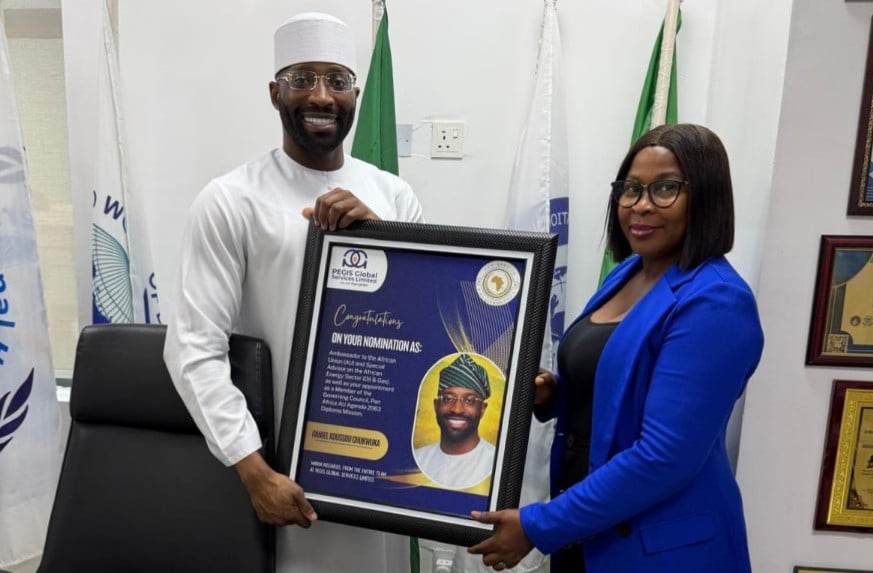
As Ambassador and thought leader I affirm that the development of our nations depends on how we prepare tomorrow’s leaders today by investing in youth leadership development fostering a culture of patience for long‑term gain and encouraging meaningful contribution at every level of society.
We can unlock the full potential of our youth and build prosperous and resilient nations for all.
*Daniel Koussou Chukwuka is an Ambassador for AU Special Envoy on Oil and Gas Continental.