

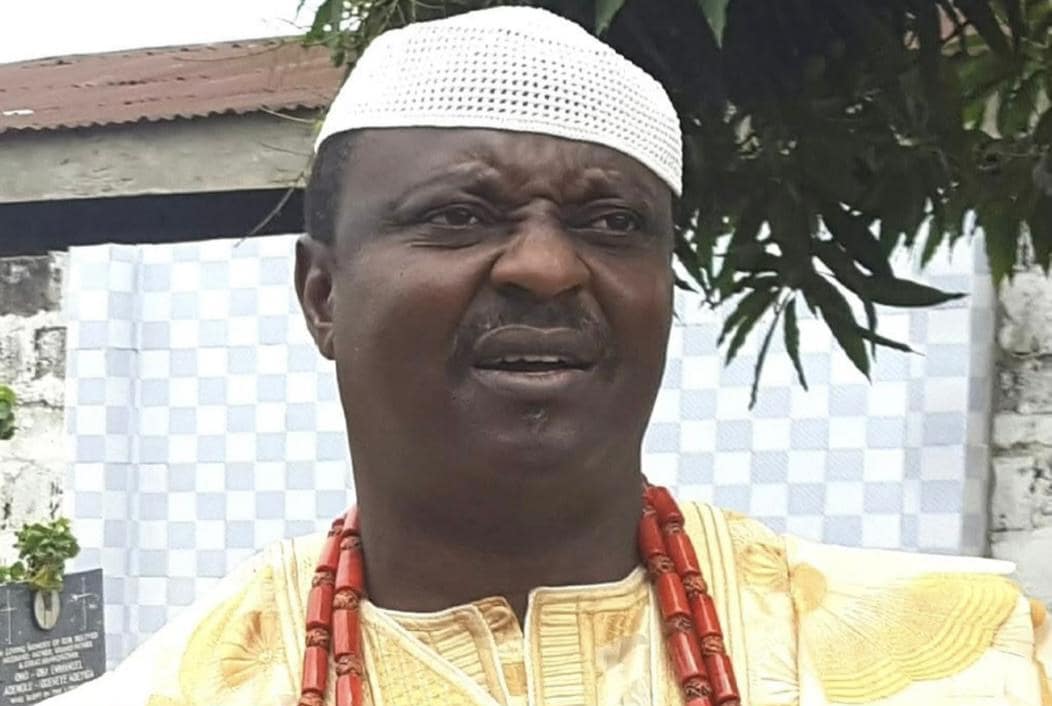
The Supreme Court delivered a landmark ruling on Friday, effectively ending the protracted Ikenne-Remo obaship dispute. In a decisive Supreme Court judgment, the justices nullified the installation of Oba Mosudi Adeyinka Onakade, declaring the Alakenne of Ikenne stool vacant.
This legal victory for Prince Yomi Ademola Adeyiga-Odeneye concludes years of tension regarding the monarch’s selection process.

Legal Basis for the Alakenne of Ikenne Ruling
The apex court affirmed an earlier decision from the Court of Appeal in Ibadan. The lower court previously held that the nomination and appointment of Onakade failed to align with the Alakenne of Ikenne Chieftaincy Declaration Edict of 1998. Because the selection process violated this legal framework, the Supreme Court declared Onakade’s installation null and void.
The court immediately restrained him from parading himself as the monarch.
This development serves as a major turning point in a long-standing legal battle. Supporters of Prince Adeyiga-Odeneye had challenged the 2011 installation, citing significant procedural violations and an improper nomination process within the Obara ruling house.
Ikenne-Remo obaship dispute: Historical Context of the Succession Crisis
The Ikenne Remo Obaship dispute traces back to the passing of Oba Gilbert Akindoyin Awomuti. Following his death, multiple families claimed the right to produce the next monarch. The rotational system involves the Obara, Gbasemo, Iwaye/Orogbe, and Moko families.
An Ogun State High Court in Sagamu initially upheld Onakade’s installation in 2020, ruling that the stool was not vacant. However, the Court of Appeal overturned that decision in March 2024. The Supreme Court has now solidified that reversal, dismissing a separate appeal filed by the Ogun State Government.
Future Steps for the Stool
While the court declared the position vacant, it provided specific guidance for the road ahead. The Supreme Court judgment emphasised that the 1998 Chieftaincy Declaration remains the only valid legal framework for selection. Any future process must strictly adhere to these rules.
Interestingly, the court ruled that the lower court lacked the jurisdiction to bar Onakade from participating in a fresh selection process. This means he remains legally eligible to contest for the throne once a new selection cycle begins.
Prince Adeyiga-Odeneye Reacts to Victory
Prince Adeyiga-Odeneye released a formal statement shortly after the judgment. He described the outcome as a moment of genuine liberation for the town. He stressed that this victory belongs not only to the people of Ikenne but also to the ancestors.
“May the souls of our great warriors rest in peace,” the press release stated, adding that the victory is dedicated to the departed souls.
The statement further noted, “We thank them for their services to Ikenne. IKENNE IS FREE AT LAST! No more arrests, intimidation or oppression. Peace and reconciliation should be the talk in Ikenne. Peace and freedom are the wind in Ikenne, let Ikenne be great again.”
Despite the celebratory tone, Prince Adeyiga-Odeneye issued a word of caution. He warned residents to remain committed to peace and truth, specifically addressing potential efforts by “distractors of peace and progress” to reignite local tensions during this transition period.