
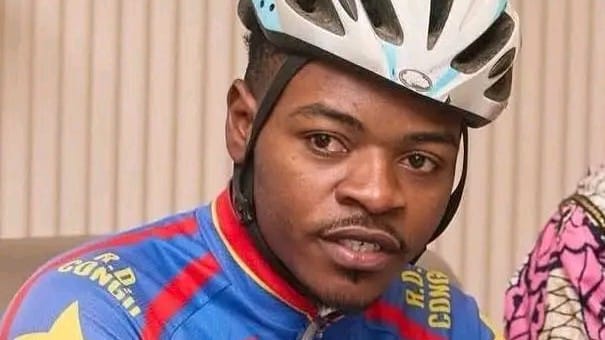
Congolese endurance athlete and pacifist Miguel Masaisai was tragically killed Sept. 18 in a violent head-on traffic collision near the Congo-Brazzaville and Cameroon border. The fatal accident abruptly halted the Miguel Masaisai peace cycle project on Day 75 of his scheduled trans-continental expedition across Central and Northern Africa.
The 8,700-mile solo journey originally commenced in Goma, located within the eastern sector of the Democratic Republic of the Congo, and was slated to conclude in Rabat, Morocco. Masaisai launched the ambitious campaign to focus an urgent global spotlight on the devastating, decades-long violent conflict in Eastern DRC and advocate for continental unity among young Africans.

Tragic Accident Halts the Miguel Masaisai Peace Cycle Campaign
The fatal incident unfolded after Masaisai’s custom bicycle suffered a severe mechanical failure while traversing the remote border zone between Congo-Brazzaville and Cameroon. Unable to pedal farther along his planned route, Masaisai secured local ground transportation near the city of Ouesso to convey his damaged bicycle to a regional repair facility.
A heavy commercial freight truck collided head-on with the local taxi carrying Masaisai shortly after departure. The devastating impact killed Masaisai, the taxi driver, and two additional passengers instantly at the scene, cutting short the Miguel Masaisai peace cycle initiative before it could reach Northern Africa.
According to route logging and logistical tracking conducted by Reporters At Large, remote Central African transit corridors present severe operational hazards for ultra-endurance athletes due to heavy industrial freight haulers, narrow two-lane roadways, unlit border segments, and limited emergency roadside infrastructure across international frontiers.
Analyzing the Impact of the Miguel Masaisai Peace Cycle Route
The Miguel Masaisai peace cycle route encompassed some of the most grueling geographical terrain in Central Africa, demanding exceptional physical stamina, technical navigation skills, and mental fortitude. Averaging substantial daily mileage across unpaved roads and severe weather conditions, Masaisai successfully transformed his extreme athletic venture into a dynamic mobile platform for civic engagement and conflict awareness.
Before the tragic crash, the Miguel Masaisai peace cycle effort had completed 75 consecutive days of continuous riding, passing through dozens of rural towns and cities where local residents gathered along the highways to support his message. He utilized every scheduled rest stop along the 8,700-mile pathway to host impromptu town halls, engaging local youth groups in discussions regarding conflict resolution, anti-violence campaigns, and cross-border regional cooperation.
Tributes from international endurance cycling federations, human rights organizations, and athletic associations across Africa have poured in following the official announcement of his passing. Masaisai effectively demonstrated how long-distance athletic performance could serve as an influential catalyst for social change, leaving behind an unprecedented legacy in Central African sports activism and civil advocacy.
Complex Logistics and Global Reactions
Crossing multiple national borders on a single human-powered vehicle requires immense coordination, diplomatic clearance, and personal sacrifice. Throughout the first 75 days of his journey, Masaisai navigated complex border checkpoints, extreme heat, and challenging elevation changes, maintaining a steady daily pace toward Morocco. His journey attracted widespread attention across social media channels, where supporters tracked his daily progress and shared his messages of peace.
Sports administrators across Central Africa have highlighted Masaisai’s unique ability to merge high-level physical endurance with grassroots diplomacy. His ride represented a rare attempt by a solo African athlete to connect Eastern, Central, and Northern Africa through sports, creating a framework for future peaceful athletic demonstrations on the continent.
Honoring a Heroic African Endurance Athlete
The broader significance of the Miguel Masaisai peace cycle extends far beyond the thousands of miles recorded on his tracking equipment. By pairing extreme long-distance cycling with urgent humanitarian advocacy, Masaisai illustrated how individual athletic determination can mobilize international attention around regional humanitarian crises that are often overlooked by global media networks.
Official funeral arrangements and memorial statements from family representatives and civic leaders in Goma will be released in the coming days. Though his 8,700-mile trans-African journey was tragically cut short in Congo-Brazzaville, Masaisai’s courageous commitment stands as an enduring milestone in African sports diplomacy, athletic endurance, and grassroots peace activism that will inspire future generations of African youth.