

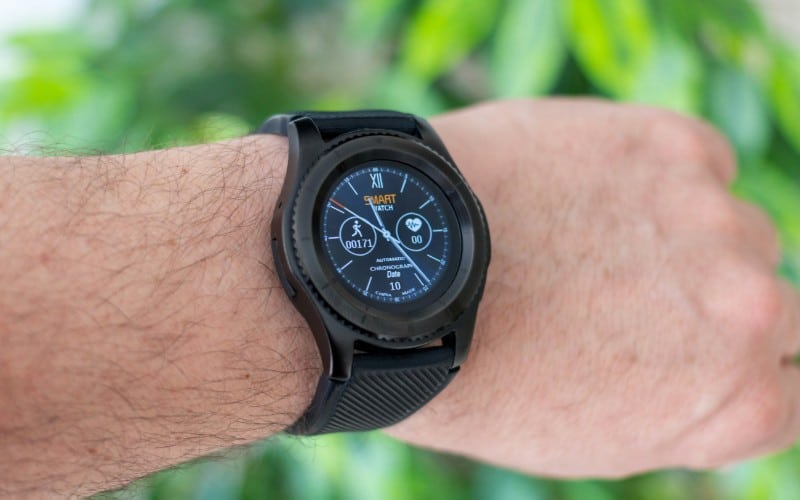
The way we look at our own well-being is undergoing a massive shift as modern wearables move from being simple gadgets to essential tools for preventive healthcare. This evolution in wearable tech actually goes back to the late 20th century. Those first devices were mostly about basic activity tracking—think of the early step counters that let people watch their daily movement. They were simple, but they built the foundation for the personal health management we see today. These early tools really set the stage for the much more advanced technology that followed.
As the years rolled by, these devices started getting a lot smarter. By the early 2000s, basic pedometers had turned into fitness trackers that could measure distance and calories burnt. It was a time when wearables started acting as motivational tools, using a bit of “gamification” to nudge people toward healthier habits. Even so, they were still mostly stuck measuring basic movement.

The Integration of Advanced Biometric Sensors
The moment things really changed was when engineers began to integrate advanced biometric sensors. The arrival of heart rate monitors, sleep trackers, and sensors that check blood oxygen levels completely changed what users could learn about their bodies. Modern wearables, specifically today’s smartwatches, have moved way beyond just tracking steps to offer a full picture of health. They can now watch vital signs, study sleep patterns, and give us data-driven insights that actually help improve our health outcomes.
This whole process shows a major move away from simple counting toward tools that are essential for managing our lives. Today, these devices allow people to stay ahead of their health, making it easier to step in early with prevention strategies. As the tech keeps moving forward, the potential for these devices in a medical setting is only going to grow, promising a better quality of life for everyone using them.
Impact on Modern Wearables and Preventive Healthcare
The rise of these devices has brought a real transformation to preventive healthcare practices. These tools—whether they are smartwatches or fitness trackers—aren’t just for counting steps anymore; they are comprehensive monitors. By constantly picking up data on vital signs, sleep, and activity, wearables make it much easier to spot a problem before it starts.
This kind of proactive monitoring helps doctors identify risks before they turn into serious medical conditions. It’s a shift from being reactive to being preventive. On top of that, health tracking technology gives people the power to take charge of their own wellness with personalised suggestions.
For example, a user can set a goal to move more or sleep better and then watch their progress in real-time. This extra awareness usually leads to better choices about food, exercise, and general health. When people start making these healthier choices, they significantly lower their risk of chronic disease.
These devices also keep patients more involved. Many wearables now let people connect directly with their doctors to share data and get feedback. This creates a sense of accountability and a supportive environment for staying healthy. When users are this engaged, they are much more likely to follow medical advice. In the long run, this leads to lower costs for the healthcare system and better results for the patient.
Integration with Healthcare Systems
Seeing modern wearables enter the professional healthcare sector is a huge change in how patients interact with their doctors. The way these devices now plug into electronic health records (EHRs) and telemedicine platforms makes data collection much more efficient. It allows for a far more personal touch in patient care.
The data gathered—vitals, activity, and sleep—can be shared right with a GP, providing insights that allow for quick action. This gives doctors a steady stream of data rather than just a “snapshot” from a yearly check-up. Clinicians can then tailor treatments based on how a patient is actually living their life. For instance, a wearable might flag an anomaly that needs checking out, potentially stopping a chronic illness in its tracks.
Of course, there are still hurdles to clear. Privacy is a massive concern; people are often nervous about sharing sensitive health info because of data breaches. There is also the technical side—making sure different devices can actually “talk” to different hospital systems. Still, as encryption gets better and regulations get tighter, these fears are starting to fade.
Future Trends in Health Tracking Technology
The world of wearable tech is moving incredibly fast, mostly driven by leaps in Artificial Intelligence (AI). This tech is expected to make wearables even more useful by giving people “actionable” insights—advice they can actually use. AI can look at huge amounts of data instantly and give feedback that is tailored specifically to one person’s unique health profile.
One exciting thing on the horizon is the ability to detect early signs of things like heart arrhythmias or breathing issues by learning what a “normal” pattern looks like for a specific individual. This could completely change the game for prevention. As devices become more connected, we’ll start to see a much more holistic view of a person’s health.
We’ll likely see more features that keep people interested, like gamification to make staying healthy more like a hobby than a chore. As these tools become a standard part of managing chronic illness, we expect to see them used almost everywhere. However, the speed of this tech means we have to be careful about ethics and privacy. Manufacturers and doctors have a big responsibility to keep this data safe. Finding that balance between new tech and patient privacy will be the key to making sure people trust the future of healthcare.