
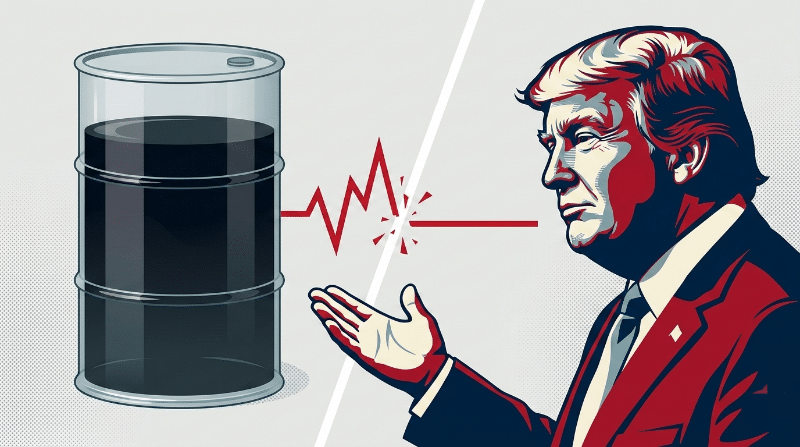
President Donald Trump met with his top national security aides on Monday to evaluate a fresh proposal aimed at resolving the ongoing Iran war stalemate. As the conflict persists, reduced regional energy supplies continue to exert significant pressure on oil prices, which surged to a two-week high.
The latest diplomatic manoeuvres came as both sides remain deeply divided over the long-term future of the nuclear programme and control of the vital Strait of Hormuz.

Tehran’s Staged Approach to Peace
Iranian sources revealed that Tehran’s latest plan seeks to defer discussions regarding its nuclear programme until the hostilities cease. The proposal also prioritises resolving shipping disputes before addressing broader diplomatic concerns.
Washington, however, remains sceptical of this phased approach. The U.S. maintains that nuclear non-proliferation must be a primary condition of any lasting agreement.
Secretary of State Marco Rubio expressed clear frustration with the timing of the offer. “We can’t let them get away with it,” Rubio said in an interview with Fox News. He cautioned that Washington must remain vigilant throughout these complex negotiations.
“They’re very good negotiators. They’re very experienced negotiators. We have to ensure that any deal that is made, any agreement that is made is one that definitely prevents them from sprinting toward a nuclear weapon at any point,” Rubio said.
Diplomatic Hurdles and Regional Tension
Mediation efforts led by Pakistan have not ceased, despite the sudden cancellation of a planned diplomatic trip. President Trump recently scrapped a mission by special envoy Steve Witkoff and Jared Kushner to Islamabad. This development has cast a shadow over hopes for an immediate breakthrough. Meanwhile, Iranian Foreign Minister Abbas Araqchi continues to seek international support, having recently visited Oman and Russia.
In Moscow, Araqchi met with President Vladimir Putin to discuss the path forward. Araqchi later told reporters that the U.S. requested negotiations because it has yet to achieve its stated strategic objectives. Despite the rhetoric, the situation on the ground remains volatile. Streets in Islamabad, previously locked down in anticipation of high-level talks, have reopened, signalling that no face-to-face meetings are currently on the horizon.
The Economic Impact of the Strait of Hormuz
The Strait of Hormuz remains a critical flashpoint in this Iran war stalemate. Since the onset of the conflict, Iran has largely blocked non-Iranian shipping through this vital waterway. This move has drastically reduced traffic, with only seven vessels transiting the strait in the last day, compared to the usual daily average of up to 140 ships. The U.S. response—a counter-blockade on Iranian tankers—has only further disrupted the market.
Outright legalization of piracy and armed robbery on the high seas,” the Iranian foreign ministry stated on X.com, condemning the seizure of its tankers. The global economy continues to feel the strain. With oil prices rising, the pressure on the Trump administration to find an off-ramp for this unpopular conflict is mounting. Domestic concerns over inflation and energy costs are driving a renewed sense of urgency in Washington.
Widening Conflict and Humanitarian Concerns
The crisis is further complicated by intensifying fighting in Lebanon. Recent Israeli strikes in the south resulted in significant casualties, marking the deadliest day since the mid-April ceasefire.
Tehran has made its position clear: it will refuse to discuss the wider conflict unless the ceasefire in Lebanon holds firm. Israel and Hezbollah continue to trade accusations regarding violations of the truce, leaving the regional outlook increasingly grim. They blamed each other for violating the truce agreed between Israel and the Lebanese government in Washington and extended last week.
For now, the path to a sustainable peace remains elusive, caught between rigid demands and the harsh realities of a war that shows no sign of abating.