

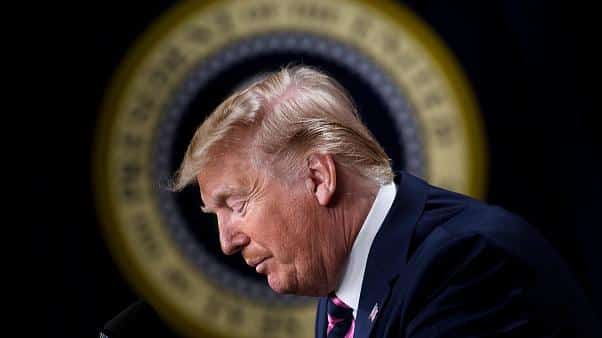
As the U.S. State Department’s “Depart Now” order triggers a mass exodus of foreign nationals, a secondary, more insidious crisis is taking hold: the systematic dismantling of the Middle East as a global logistics hub. With airport closures spreading from Beirut to Abu Dhabi, the world’s “connective tissue” for trade is being severed, threatening a global inflationary shock not seen since the pandemic.
The Chokepoint of the Skies
The Middle East is not merely a destination; it is the primary bridge between the European and Asia-Pacific economies. The closure of major hubs in Dubai (UAE), Doha (Qatar), and Riyadh (Saudi Arabia) represents more than just a headache for stranded tourists. It is a catastrophic failure of the “Global Crossroads.”
Air Cargo Redirection: Approximately 15% to 20% of global air freight passes through these territories. High-value goods—semiconductors, pharmaceuticals, and perishable electronics—are now being rerouted around the southern tip of Africa or across the trans-Pacific, adding thousands of miles and millions of dollars in fuel costs to every journey.
Fuel Surcharges: With President Trump signaling an “extended war” and hinting at “virtually unlimited” munitions usage, insurance premiums for commercial aviation have surged. Airlines still operating in the periphery are passing these “war risk” costs directly to consumers.
Energy Markets and the ‘Suez Factor’
While the aerial blockade is immediate, the shadow cast over maritime trade is equally grim. The inclusion of Egypt and Yemen in the evacuation list signals that the Suez Canal and the Bab al-Mandab Strait—the world’s most vital maritime arteries—are effectively in a “red zone.”
Crude Oil: Supply disruptions from the Gulf could push Brent Crude toward $120 a barrel.
Liquefied Natural Gas (LNG): Qatar’s inclusion in the State Department’s list threatens heating and power stability in Western Europe.
Consumer Goods: Rerouting ships around the Cape of Good Hope adds 10-14 days to delivery times, stalling “just-in-time” manufacturing.
The ‘Forever War’ Economic Reality
Prime Minister Netanyahu may argue this is not an “endless war,” but the markets are reacting to President Trump’s rhetoric of “unlimited supply.” For global investors, “forever” is an expensive word.
If the conflict exceeds the “four to five week” window suggested by the White House, we are likely to see a permanent shift in trade routes. Multinationals are already “near-shoring”—moving production closer to home to avoid the volatility of the Middle Eastern corridor.
The immediate result for the British consumer? A sharp rise in the cost of imported electronics and a likely spike at the petrol pump by the weekend. The “No-Fly Zone” over the Middle East is rapidly becoming a “No-Growth Zone” for the global economy.