

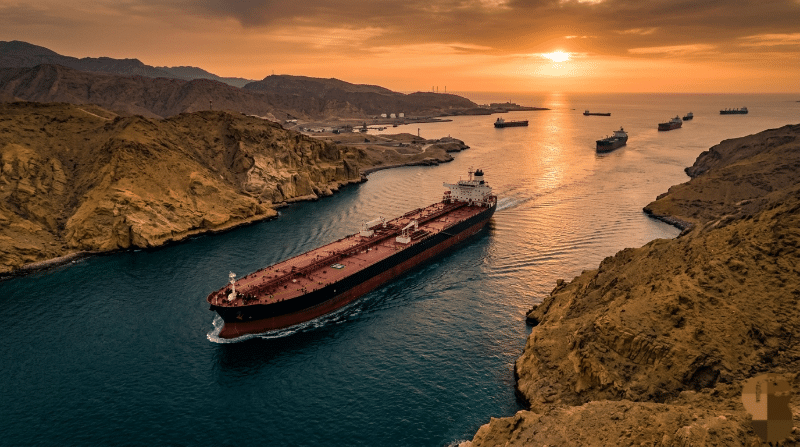
The Strait of Hormuz blockade has become the epicentre of a fragile international standoff, casting a shadow over commercial shipping routes and energy security.
As diplomatic rhetoric intensifies, Iran’s parliament speaker has issued a stern warning: the vital waterway will “not remain open” if the United States persists with its current restrictions on Iranian ports. This declaration comes despite claims from Washington that the passage remains functional for international trade.
Diverging Narratives on Marine Transit
US President Donald Trump maintains that the pressure campaign will continue until a comprehensive peace deal is secured. He insisted the waterway is “open and ready for business.”
Conversely, Iranian officials are increasingly vocal about the repercussions of the continued naval presence.
While the rhetoric remains heated, the reality on the water appears complex. Earlier, Iran’s foreign minister said the Strait of Hormuz is “completely open” to commercial ships for the remainder of the ceasefire. Data from tracking site MarineTraffic shows some tankers appear to be crossing the waterway on Saturday.
Despite the President’s assertion that Iran has “agreed to everything,” including the removal of enriched uranium from the country to the US, Tehran firmly denies these claims. The US president is projecting a diplomatic victory, but there are still clear differences between the two sides, our North America correspondent writes.
Impact on Global Oil Prices
The uncertainty surrounding the Strait of Hormuz blockade has sent shockwaves through energy markets. Following Iran’s announcement, oil prices fell by nearly 10% in a volatile trading session.
However, market analysts urge caution. Many experts warn that a sustained disruption to Iranian ports or the surrounding maritime corridors could trigger a price surge that outlasts the current hostilities.
The stakes could not be higher. The Strait remains one of the world’s most important “choke points,” facilitating a significant portion of the global oil trade. Even a perceived threat to its stability forces insurance premiums higher and disrupts the fragile supply chains that keep global industries moving.
Tracking the Current Maritime Situation
At 07:39, fresh data provided a glimpse into the ongoing situation. Vessels appear to be moving through the waterway, according to the latest updates from MarineTraffic. Several vessels, which according to the site includes ships designed for carrying oil, liquefied petroleum gas and chemicals, can be seen transiting the key marine corridor.
While these movements suggest that transit is currently possible, the underlying tensions remain unresolved. Both nations are locked in a high-stakes game of brinkmanship where every diplomatic statement is scrutinised for signs of either compromise or total collapse. As the international community watches, the world waits to see if diplomacy can truly overcome the threat of a closed waterway.