

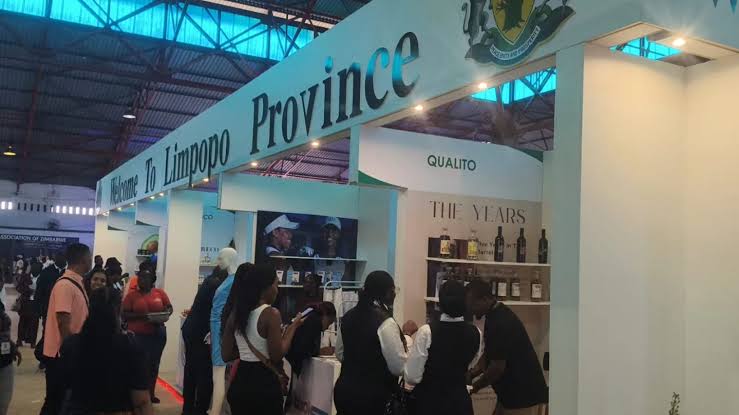
In the far northern stretches of South Africa, where ancient Baobabs stand like silent watchmen over the scrub, a quiet revolution is taking root. While the glitz of Cape Town usually steals the headlines, the Limpopo Tourism Agency is busy carving out a different kind of fame. They are repositioning the province as the “Eden of Africa”—a place for travellers who want dirt under their fingernails and a story that sticks to their ribs. This isn’t just about cultural tourism in South Africa; it’s about a province finding its soul.
Limpopo Tourism Agency: Redefining South African Safari Destinations
Under the steady hand of CEO Moses Ngobeni, the Agency is tearing up the old script. They’ve moved beyond the “Big Five” cliché to introduce the “Big Six,” adding the prehistoric Baobab tree to the list of local icons. It’s a clever move. By elevating a tree to the status of a lion, the Limpopo Tourism Agency is signalling that the landscape itself is a living protagonist. Their goal is clear: to transform this region into the most visited inland spot in Southern Africa by the end of the decade.
The province is a patchwork of five distinct districts. From the mist-covered Magoebaskloof in Mopani to the malaria-free wilderness of the Waterberg, the variety is staggering. In Vhembe, the spiritual heart of the north, you’ll find Mapungubwe—a UNESCO site where gold-trading kings ruled long before modern borders existed. This depth of history is what sets Limpopo apart from other South African safari destinations.
A New Deal for the Hinterland
As we move through 2026, the Agency’s focus has shifted toward the people living at the edge of the wild. By launching a massive call for event proposals, they are effectively decentralising the tourism pound. The money is being moved away from the gated luxury lodges and into the pockets of local entrepreneurs in small, dusty towns.
”Tourism must be a tool for dignity,” Ngobeni recently noted. “We are not just selling a view; we are selling a connection to the land and its people.”
This human-centric approach isn’t just talk. It’s backed by serious hardware. The R2.5 billion Club Med resort, opening in July 2026, is a massive vote of confidence. Meanwhile, the safari capital of Hoedspruit is booming. Digital nomads are trading city life for bush sunsets, thanks to the Limpopo Tourism Agency pushing for major upgrades at Eastgate Airport.
Hosting the Africa Tourism Leadership Forum 2026
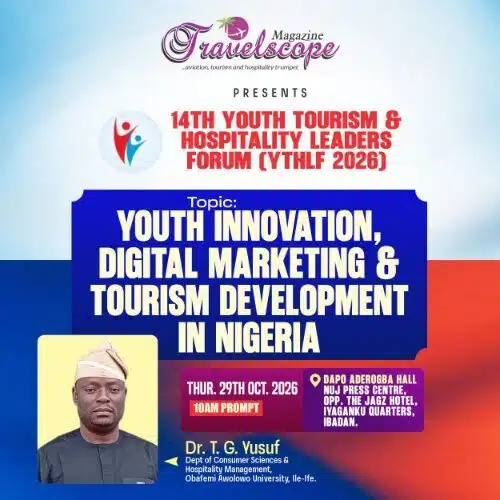
In a move that proves Limpopo is a continental heavyweight, the province is preparing to host the 8th Africa Tourism Leadership Forum 2026, while will be held between September 2nd and 4th, in Polokwane. By securing these rights for the next three years, the Agency is turning the “City of Stars” into a laboratory for the continent’s future travel policies.
This forum is the engine room for economic change. It’s about breaking down the borders between SADC neighbours like Zimbabwe and Botswana and ensuring that cultural tourism in South Africa benefits the many, not just the few. A dedicated coordination structure is already in place to make sure local caterers and transport providers get the first slice of the pie.
The Last Frontier
The Honourable Tshitereke Matibe, MEC for Economic Development, Environment, and Tourism, calls this a “fierce vision.” It’s a sentiment shared by Board Chairperson Andrew Dipela, who is adamant that the Africa Tourism Leadership Forum 2026 must leave a lasting legacy, not just a trail of empty hotel rooms.
Limpopo remains the “Last Frontier.” It is a place where you can track a leopard at dawn and debate Iron Age archaeology by a fire at dusk. Through the grit and ambition of the Limpopo Tourism Agency, the “Province of Peace” isn’t just a stopover anymore. It is the destination.
Limpopo at a Glance (2026 Data)
- Key Asset: The “Big Six” (Lion, Leopard, Rhino, Elephant, Buffalo, and Baobab).
- Top Event: Mapungubwe Arts Festival.
- Growth Trend: 35.6% increase in domestic arrivals (Jan–Feb 2026).
- Major Hubs: Polokwane, Hoedspruit, and Musina.