

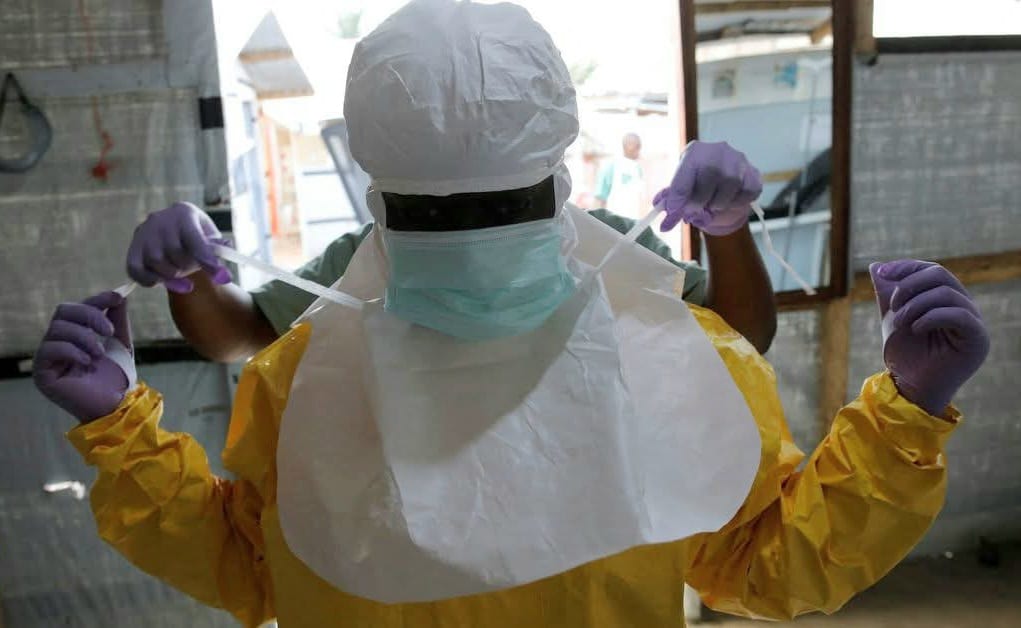
The World Health Organization (WHO) has officially declared that the escalating dr congo ebola outbreak has now become a global health emergency.
The United Nations agency confirmed that the fast-moving crisis in the eastern Ituri province has triggered a WHO international emergency status due to severe risks of regional transmission. While officials state the current situation does not yet meet the strict criteria of a global pandemic, the aggressive nature of the Bundibugyo Ebola virus strain has put international health authorities on high alert.

Rapid Transmission Past the Hotspot Borders
The agency warned that the crisis could potentially become “a much larger outbreak” than what is currently being detected and reported, with significant risk of local and regional spread. This specific dr congo ebola outbreak wave is driven by the rare Bundibugyo Ebola virus strain, for which there are currently no approved drugs or vaccines.
The virus has already breached international borders, with two cases confirmed in neighbouring Uganda. Ugandan officials stated that a 59-year-old man who died on Thursday had tested positive for the disease. In an official statement, the Ugandan government said:
“The patient who died was a Congolese citizen whose body has already been returned to DR Congo.”
A laboratory has also confirmed an Ebola case in the eastern city of Goma, currently controlled by the M23 rebels, the AFP news agency reported on Sunday.
High Mobility Fuels the Global Health Emergency
Medical teams face immense challenges in containing the Bundibugyo Ebola virus. The WHO stated that the ongoing security situation and humanitarian crisis in DR Congo, combined with high population mobility, the urban location of the hotspot, and the large number of informal healthcare facilities in the region increased the risk of spread.
A laboratory has also confirmed an Ebola case in the eastern city of Goma, currently controlled by the M23 rebels, the AFP news agency reported on Sunday. This expansion deeper into conflict zones and major transit hubs elevates the crisis from a localized issue to a pressing global health emergency. Furthermore, a single case has been confirmed in the capital city of Kinshasa, believed to be a patient returning from the Ituri hotspot, showing how far the dr congo ebola outbreak can travel.
Severe Symptoms and the WHO International Emergency Response
The clinical picture of this strain remains severe. Early symptoms include fever, muscle pain, fatigue, headache and sore throat, and are followed by vomiting, diarrhoea, a rash and bleeding. WHO Director-General Dr Tedros Adhanom Ghebreyesus warned there are currently:
“Significant uncertainties to the true number of infected persons and geographic spread.”
Because of these gaps in data, the WHO international emergency guidelines advise that DR Congo and Uganda establish emergency operation centres to monitor, trace, and implement infection-prevention measures. To minimize spread, the health agency said confirmed cases should be immediately isolated and treated until two Bundibugyo virus-specific tests conducted at least 48 hours apart are negative.
Regional Trade, Mining, and Border Policy
Countries bordering the DR Congo are considered high risk due to trade and travel. The Africa CDC previously said it was concerned by the high risk of further spread due to the urban settings of Rwampara and Bunia, and mining activities in Mongwalu. The health agency’s executive director Dr Jean Kaseya added that:
“Significant population movement between the affected areas and neighbouring countries also meant regional co-ordination was essential.”
Despite the declaration of a global health emergency, the WHO explicitly stated that countries outside the affected region should not close their borders or restrict travel and trade, noting that “such measures are usually implemented out of fear and have no basis in science.
Understanding the History of Ebola in the Region
Ebola was first discovered in 1976 in what is now DR Congo, and is thought to have spread from bats. This is the 17th outbreak of the deadly viral disease in the country. There is no proven cure for Ebola, with the average fatality rate is around 50%, according to the WHO. Around 15,000 people have died from the virus in African countries over the past 50 years.