
A historic US visa revocation plan targeting up to 200,000 foreign nationals preparing or currently seeking asylum is being finalised by federal officials. The sweep forms part of a broader Trump administration immigration policy shift.
If implemented, the enforcement move would represent the single largest mass cancellation of travel authorisations in American history and is expected to provoke immediate federal court challenges.

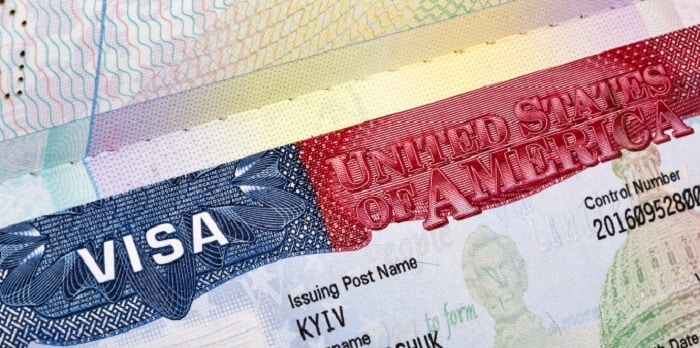
Unless challenged or revised, the State Department is expected to announce in the coming weeks the revocation of so-called B1 and B2 visas issued between 2016 and 2026 whose holders have sought asylum or are now seeking asylum, according to State Department documents obtained by The Associated Press and two U.S. officials. The action will be taken in coordination with the Department of Homeland Security.
“We are coordinating with DHS to identify and revoke the nonimmigrant visas of foreigners who have come to the United States claiming to be short-term visitors but then file for asylum to stay here permanently,” said State Department spokesman Tommy Pigott.
He declined to comment on the number of visas that might be revoked, saying, “As the process will be ongoing, the number of revocations remains dynamic and will be done on a rolling basis.”
Scale of US Visa Revocation Policy and Procedural Changes
The targeted measures focus primarily on B1 and B2 visa asylum seekers who entered the United States on temporary visitor visas before lodging formal protection claims with immigration authorities.
The revocations would not necessarily result in their immediate deportation, the officials said. Most of those with asylum cases currently pending would be recategorised but would lose their status as business or tourism travellers, according to officials, who spoke on condition of anonymity because the revocations are not final yet.
Legal representatives note that stripping visitor status shifts foreign nationals into distinct administrative categories while their protection cases undergo tribunal reviews.
Wider Impact on State Department Nonimmigrant Visas
This policy change marks another major shift in executive branch immigration procedures, adding to strict non-immigrant vetting parameters across global consular posts.
Since President Donald Trump took office for his second term last year, his administration has steadily ramped up restrictions on visa applicants — demanding more information about their social media histories, requiring the posting of expensive bonds for the processing of visas, and outright banning the issuance of visas to citizens of certain countries.
Human rights groups and legal advocates are assembling legal challenges to contest retroactive revocations, arguing that due process protections must cover foreign nationals pursuing statutory asylum claims inside US boundaries.