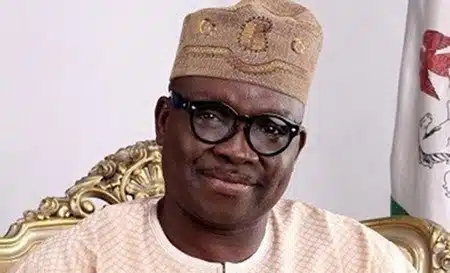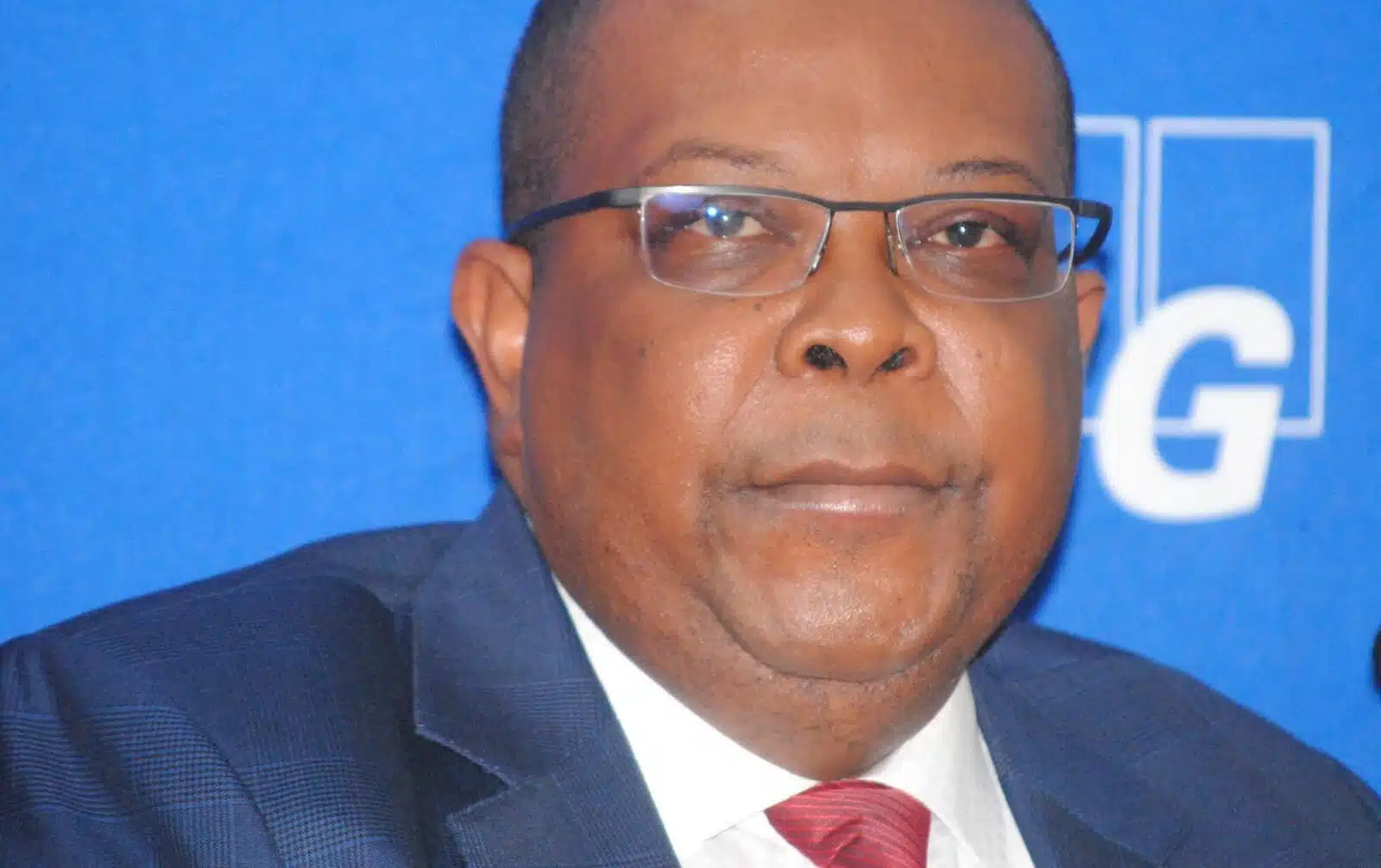


Dear Chief Joseph Tegbe,
Your appointment as Minister of Power has raised expectations, partly because of your background in institutional transformation, financial management and governance. Nigerians will hope that this experience brings a different approach to the Nigeria electricity crisis, which has frustrated successive administrations and imposed enormous economic and social costs on the country.
But permit me to begin with a caution. You are entering an office whose occupants have repeatedly confronted the same problems, announced similar interventions and promised gradual improvement. The vocabulary of reform has changed over the years; the experience of electricity consumers has not changed sufficiently.
Nigeria has heard this before.
Why the Nigeria Electricity Crisis Has Outlived Successive Ministers
From Professor Chinedu Nebo, through Babatunde Fashola and Abubakar Aliyu, to Adebayo Adelabu, successive Ministers of Power have spoken of increasing generation, stabilising the national grid, improving gas supply, expanding transmission capacity and delivering more reliable electricity. Their individual statements and circumstances differed, but the recurring pattern is difficult to ignore. Each administration inherited a troubled sector, identified its weaknesses and announced measures to improve performance. Yet the country remains trapped in an electricity crisis that has outlived successive ministers.
Nebo’s administration operated during the transition to privatisation and spoke of achieving 10,000 megawatts by the end of 2014. Fashola promoted incremental power and a progression towards more reliable supply. Aliyu confronted recurring grid instability, while Adelabu acknowledged that uninterrupted electricity could not be achieved through unrealistic promises or short-term declarations.
These references are not intended to dismiss whatever improvements individual administrations may have recorded. They are reminders that identifying the problems and announcing remedies have never been sufficient. The question is why the interventions have failed to produce a durable transformation.
What the 2013 Privatisation Taught Us About the Nigeria Electricity Crisis
The 2013 privatisation of the generation and distribution companies was expected to introduce investment, commercial discipline and improved efficiency. It transferred important assets to private operators, but did not resolve the underlying weaknesses of the electricity market. Inadequate transmission infrastructure, gas supply constraints, poor metering, commercial losses, accumulated debts and weak enforcement of contractual obligations continued to undermine performance.
The lesson is straightforward: changing ownership does not automatically repair a defective system.
Minister of Power Tegbe’s Claims Versus National Performance
Your own public statements suggest that you recognise the complexity of the task. During your Senate screening, you cautioned against promises of immediate uninterrupted electricity and acknowledged that the sector required structural intervention. That was a realistic position. But Nigerians have heard similar assurances about incremental improvement. What matters now is whether your administration can move beyond diagnosis and demonstrate a measurable difference.
Your remark at the commissioning of a solar hybrid power project at Yakubu Gowon University on 16 September 2026 deserves particular attention. You reportedly told Nigerians that some areas which had endured as much as three months without electricity were now receiving up to 18 hours of supply. You added that some consumers had asked you to slow down because their freezers were freezing continuously.
If those communities genuinely experienced such improvement, it was welcome. But a minister responsible for national electricity supply must distinguish between local progress and national performance. Which communities enjoyed the reported 18 hours? Which distribution companies and feeders were involved? How long was the improvement sustained? Was it reflected in independently verifiable operational records?
A freezer working continuously in one neighbourhood is welcome news. It is not evidence that Nigeria’s electricity crisis has been resolved. The public needs more than an amusing anecdote to establish the performance of a national electricity system.
November Supply Disruptions: Fresh Evidence of the Nigeria Electricity Crisis
Developments in November make the need for such evidence even more pressing. On 5 November, the Ministry acknowledged reduced electricity supply affecting Lagos, Abuja, Ogun, Kwara and Oyo. The Nigerian Independent System Operator (NISO) attributed the generation shortfall to inadequate gas supply to thermal plants and reduced hydroelectric output. National generation was reported at approximately 3,659 megawatts that afternoon.
On 7 November, you assured Nigerians that supply would begin to improve within 48 to 72 hours. You attributed the disruption to planned maintenance at Egbin Power Station, gas supply constraints affecting some thermal plants and damage to critical transmission lines. Two days later, you reported that power had been restored to many of the affected areas in Lagos, Ogun, Oyo, Kwara and the Federal Capital Territory. You also announced that the vandalised Benin-Egbin 330kV transmission line had been repaired and returned to service. However, you acknowledged that your teams were still working to restore full supply to the remaining affected locations.
That qualification matters. Restoration in several communities is welcome, but it should not be confused with the complete resolution of the wider supply problem. On 8 November, the day before your restoration announcement, generation was still reported at approximately 2,945.62 megawatts, with 12 generating plants recording zero output, according to figures attributed to the NISO portal. The public therefore needs to know whether the affected generating units returned to service as anticipated, whether electricity allocations to the affected distribution companies recovered, and whether consumers experienced a sustained improvement after the repairs.
What exactly had been restored, where had normal supply resumed, and what remained outstanding? These are not hostile questions. They are the minimum requirements of public accountability. If the Ministry reports restoration, it should also publish the operational evidence showing its extent and whether the improvement has been sustained.
Debt, Gas and Grid: The Roots of the Nigeria Electricity Crisis
The underlying problems are well known. The electricity market remains financially distressed. Generating companies struggle with payment arrears; gas suppliers face commercial and payment risks; distribution companies contend with revenue collection problems and network losses. Government interventions may settle some outstanding obligations, but unless the conditions producing those debts are corrected, the liabilities will accumulate again.
Your administration must therefore establish a transparent account of the sector’s financial position. Nigerians should know the verified liabilities, the amounts actually settled, the outstanding obligations and the safeguards against a fresh cycle of debt. A debt settlement that leaves the causes of the debt untouched is only temporary relief.
The gas-to-power problem also requires a coordinated response beyond the boundaries of your Ministry. Nigeria possesses substantial gas resources, yet power stations frequently lack adequate supplies. This is not simply a question of resource availability. It involves payment arrears, domestic gas pricing, transportation infrastructure, pipeline security and the commercial confidence of suppliers. The relevant ministries, regulators, gas producers and generating companies must establish arrangements that make supply dependable and payment credible.
The same practical approach is necessary in transmission and distribution. Additional generation capacity has limited value if the national network cannot evacuate the electricity or distribution companies cannot deliver it reliably. Installed capacity, available generation, actual generation and electricity received by consumers are different measurements. They should never be presented as interchangeable evidence of progress.
Metering, Estimated Billing and State Electricity Markets
Metering also remains a major consumer concern. Years of programmes and public expenditure have not eliminated estimated billing. The Ministry should work with the Nigerian Electricity Regulatory Commission (NERC) and the distribution companies to establish how many meters have actually been installed and activated, what the programmes have cost and what remains to be done. Consumers should not continue paying arbitrary estimates for electricity they may not have received.
The Electricity Act 2023 has also created opportunities for states to develop their own electricity markets. This should be treated as an opportunity to expand investment and improve local supply, not as a reason to abandon the national grid. Your Ministry must coordinate federal and state initiatives, support credible investment frameworks and ensure that decentralisation does not produce regulatory confusion.
Nigeria Power Sector Reform Requires Transparency, Not Consultancy
Chief Tegbe, your professional experience may help you understand these challenges, but the electricity sector is not a consulting assignment. It is a politically exposed, financially distressed and technically demanding industry involving powerful public and private interests. Nigeria power sector reform will require more than policy announcements. It will require transparent information, contractual discipline, effective regulation and the willingness to confront institutional failures.
I would therefore urge you to publish a concise public performance framework covering generation, gas supply, transmission, distribution, metering and sector finances. It should establish measurable targets, identify responsible institutions, provide implementation timelines and report actual results at regular intervals. The figures should be independently verifiable and should distinguish between projects announced, funds committed, expenditure incurred and improvements delivered to consumers.
There should also be a clear mechanism for investigating persistent operator failures and enforcing existing obligations. Where wrongdoing is established, accountability should follow. Where the problem is defective policy or institutional weakness, the remedy must address its cause rather than merely announce another intervention.
Above all, resist the temptation to measure progress by favourable anecdotes or temporary improvements. Nigerians do not expect you to produce uninterrupted electricity overnight. They expect honesty about the difficulties and evidence that your interventions are changing the situation. If a target cannot reasonably be achieved within a particular period, explain why and publish the stages required to achieve it. Public confidence is more likely to grow from credible commitments than from optimistic declarations that cannot be sustained.
Ending the Nigeria Electricity Crisis: A Call for Accountability
You have inherited a difficult assignment, but not an unfamiliar one. Your predecessors encountered many of the same constraints. The country does not need another minister to rediscover them. It needs someone prepared to confront why previous interventions failed and establish a system in which improvements can endure beyond the tenure of any individual office holder.
Mr Minister, Nigerians are not asking you to slow down because their freezers are freezing. They are asking why, after decades of reforms, public expenditure and ministerial assurances, millions of households and businesses still cannot depend on electricity.
Do not seek public applause for announcing improvement. Let the evidence speak. Do not mistake a temporary restoration for a lasting solution. And do not allow your administration to become another chapter in the long history of promises that the Nigerian electricity sector has failed to fulfil.
The country has heard enough assurances. What it needs now is reliable electricity, transparent performance and accountability for results.