
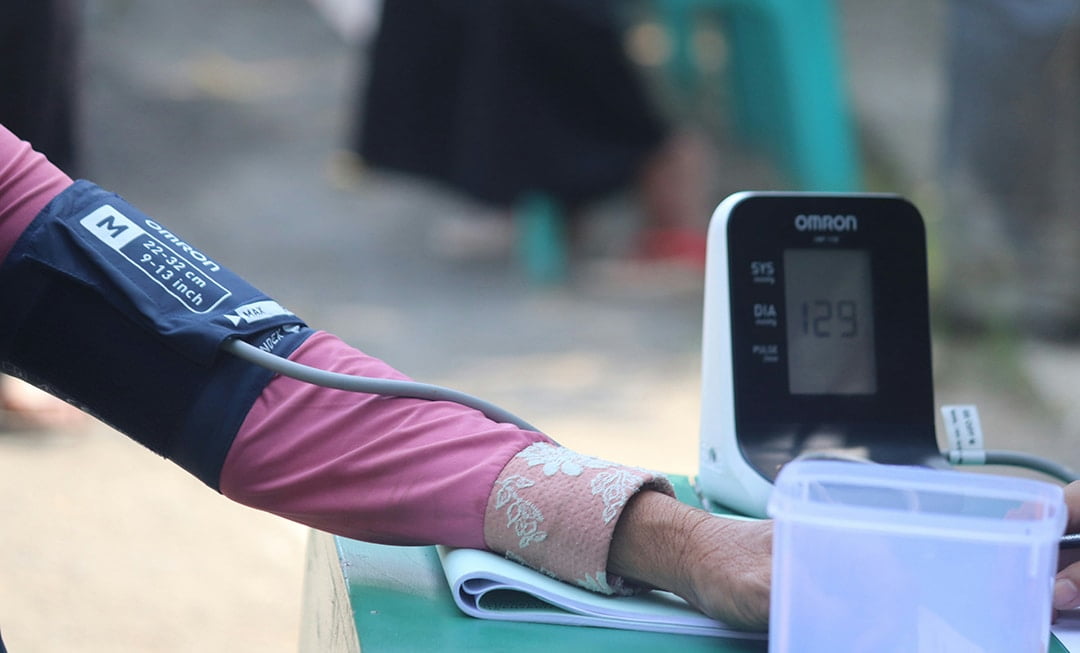
High blood pressure (hypertension) is often called the “silent killer” for a reason: most people who have it feel completely normal. According to the CDC, nearly half of US adults have hypertension, and many do not know it. That is why the only reliable way to know your numbers is to measure them.
Still, there are high blood pressure signs that can appear when pressure climbs very high or when organs such as the heart, brain, eyes, or kidneys are under strain. This guide explains the 8 high blood pressure signs you should never ignore, what may be causing them, and exactly when to get urgent help.
First, an Important Fact About High Blood Pressure Signs
Hypertension rarely causes symptoms on its own. Headaches, nosebleeds, and flushing are not reliable indicators of mild or moderate high blood pressure, and a normal feeling does not mean normal pressure. Symptoms tend to show up mainly when blood pressure is dangerously high (a reading above 180/120 mmHg, known as a hypertensive crisis) or when long-standing hypertension has already damaged an organ.
Under the 2025 AHA/ACC guideline, blood pressure categories in adults are:
- Normal: below 120/80 mmHg
- Elevated: 120–129 systolic and below 80 diastolic
- Stage 1 hypertension: 130–139 systolic or 80–89 diastolic
- Stage 2 hypertension: 140/90 mmHg or higher
- Hypertensive crisis: higher than 180/120 mmHg
The 8 High Blood Pressure Signs You Should Never Ignore
1. Severe Headache: A sudden, severe headache, especially one that feels different from your usual headaches or is felt at the back of the head, can accompany a hypertensive crisis. Ordinary tension headaches are not caused by mild hypertension, but a severe headache together with a very high reading, confusion, or vision changes can signal pressure-related brain involvement.
- What to do: If you have a sudden, worst-ever headache, call emergency services. It may also be a sign of a stroke or bleeding in the brain.
2. Shortness of Breath: Unexplained breathlessness at rest, or with light activity, can be a sign that high blood pressure is straining the heart. Over time, hypertension can thicken the heart muscle and lead to heart failure, causing fluid to back up in the lungs.
- What to do: New or worsening shortness of breath, particularly with swelling in the legs or rapid weight gain, needs prompt medical evaluation. Sudden severe breathlessness is an emergency.
3. Chest Pain or Pressure: Chest pain, tightness, or pressure may indicate that the heart is not getting enough oxygen-rich blood. High blood pressure is a leading risk factor for coronary artery disease, heart attack, and aortic dissection.
- What to do: Call emergency services immediately for chest pain lasting more than a few minutes, or pain spreading to the arm, jaw, neck, or back, especially with sweating, nausea, or breathlessness.
4. Vision Changes: Blurred vision, double vision, sudden loss of vision, or seeing spots can occur when very high pressure damages the tiny blood vessels in the retina (hypertensive retinopathy) or affects the optic nerve. Early retinopathy may cause no symptoms at all, which is why eye exams matter.
- What to do: Sudden vision changes are urgent. If you also have a very high blood pressure reading, seek emergency care.
5. Neurological Symptoms: Confusion, Weakness, or Trouble Speaking. Confusion, difficulty speaking, numbness or weakness on one side of the body, drooping of the face, or seizures can signal a stroke or hypertensive encephalopathy (brain swelling caused by extremely high pressure). Hypertension is the single most important modifiable risk factor for stroke.
- What to do: Use the FAST check (Face drooping, Arm weakness, Speech difficulty, Time to call emergency services) and call right away. Do not wait to see if it passes.
6. Dizziness or Lightheadedness: Dizziness has many causes, including dehydration and blood pressure that is too low, and it is not a dependable sign of hypertension by itself. But dizziness combined with a very high reading, loss of balance, severe headache, or vision changes can point to reduced blood flow to the brain.
- What to do: Sit down, check your blood pressure if you have a monitor, and seek urgent care if your reading is above 180/120 or symptoms are severe or persistent.
7. Irregular Heartbeat or Pounding in the Chest, Neck, or Ears: Palpitations, a racing or fluttering heartbeat, or a pulse you can feel pounding in your neck or ears can be linked to hypertension. Long-term high pressure increases the risk of atrial fibrillation, a rhythm disorder that raises stroke risk. Anxiety, caffeine, thyroid disease, and other conditions can also cause palpitations.
- What to do: Mention recurring palpitations to your doctor, who may order an ECG. Seek emergency care if palpitations come with chest pain, fainting, or severe breathlessness.
8. Blood in the Urine, Swelling, or Reduced Urination: The kidneys are filled with tiny vessels that high pressure can damage, and kidney disease can in turn worsen blood pressure. Warning signs include blood in the urine, foamy urine, swelling in the ankles, feet, or around the eyes, and passing noticeably less urine. Kidney damage often causes no symptoms until it is advanced.
- What to do: Schedule a medical visit promptly. Your doctor may order blood and urine tests (such as creatinine and urine albumin) to check kidney function.
A Note on Nosebleeds, Flushing, and Fatigue
Nosebleeds and facial flushing are often blamed on high blood pressure, but studies have not shown that mild or moderate hypertension commonly causes them. Most nosebleeds come from dry air, irritation, or minor injury. A nosebleed that will not stop, however, combined with a very high reading is worth urgent evaluation. Fatigue is common in hypertension but also very nonspecific, so it should not be used to diagnose or rule out the condition.
When to Seek Emergency Care
Call emergency services (911 in the US) if your blood pressure is above 180/120 mmHg and you have any of the following:
- Chest pain
- Shortness of breath
- Back pain
- Numbness or weakness
- Vision changes
- Difficulty speaking
- Confusion or severe headache
If your reading is above 180/120 and you have no symptoms, rest for five minutes and measure again. If it remains that high, contact your doctor right away for guidance.
How to Know Your Numbers
Because symptoms are unreliable, regular measurement is the best protection.
• Get checked at least yearly if you are an adult, and more often if you have risk factors or elevated readings.
- Use a validated upper-arm home monitor. Sit quietly for five minutes, feet flat, back supported, arm at heart level, and avoid caffeine, exercise, or smoking for 30 minutes beforehand.
- Take two readings one minute apart, morning and evening, and keep a log for your doctor.
- Know your risk factors: family history, age, excess weight, high-sodium diet, physical inactivity, heavy alcohol use, smoking, diabetes, chronic kidney disease, and sleep apnea.
How to Lower and Manage High Blood Pressure
Lifestyle changes can lower blood pressure meaningfully and may reduce or delay the need for medication.
- Follow a heart-healthy eating pattern such as the DASH diet, rich in vegetables, fruits, whole grains, and low-fat dairy.
- Reduce sodium (many guidelines advise under 2,300 mg per day, with an ideal of 1,500 mg for many adults).
- Get at least 150 minutes of moderate aerobic activity weekly.
- Maintain a healthy weight; even modest weight loss lowers pressure.
- Limit alcohol and avoid tobacco.
- Manage stress and prioritize sleep, and ask about screening for sleep apnea if you snore heavily.
- Take prescribed medication exactly as directed, and never stop it suddenly without medical advice.
Frequently Asked Questions
Can you feel high blood pressure?
Usually not. Most people have no symptoms, even with dangerously high readings over time. Symptoms are more likely during a hypertensive crisis.
What are the first signs of high blood pressure?
Often there are none. When symptoms occur, they may include headache, shortness of breath, or dizziness, but these are not specific. A blood pressure measurement is the only way to confirm.
What blood pressure is considered an emergency?
A reading above 180/120 mmHg with symptoms such as chest pain, vision changes, confusion, or weakness is a medical emergency.
Can anxiety cause high blood pressure signs?
Anxiety can temporarily raise blood pressure and cause palpitations, sweating, and lightheadedness. Repeated high readings should still be evaluated, since anxiety and hypertension can coexist.
The Bottom Line
The most important high blood pressure sign is a high reading. Most hypertension is silent, so do not wait for symptoms. Learn your numbers, treat elevated readings early, and treat the eight warning signs above, especially in combination with a very high reading, as reasons to seek prompt or emergency care.
Disclaimer: This article is for educational purposes only and is not a substitute for professional medical advice, diagnosis, or treatment. If you think you may be having a medical emergency, call your local emergency number immediately.