

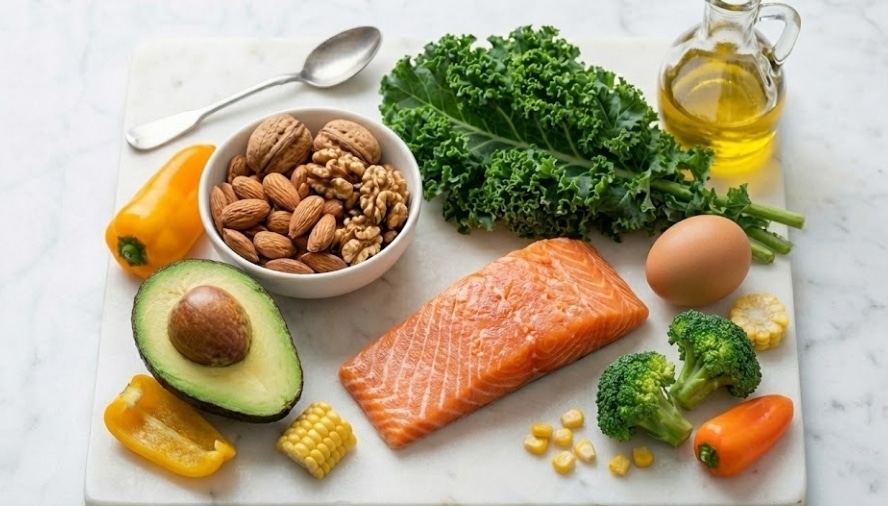
Maintaining strong eye health requires a deliberate combination of essential nutrients, protective antioxidants, and balanced daily habits. Incorporating the best vitamins for eyes into your everyday meal planning can significantly lower the risk of developing sight-threatening conditions, including cataracts, glaucoma, and age-related macular degeneration.
Research shows that targeted dietary choices and mineral supplementation actively protect visual acuity and slow the onset of chronic ocular disorders.
Essential Nutrients That Support Eye Health
Vitamin A and Beta Carotene
Vitamin A is essential for good vision. It forms a core component of the protein rhodopsin, which enables the retina to process images in low-light conditions. According to the American Academy of Ophthalmology, a deficiency in vitamin A can lead to night blindness.
This vital nutrient also preserves the function of the cornea, the clear protective outer layer of the eye. Without sufficient intake, the tear film fails, leaving eyes inadequately lubricated.
Beta carotene serves as the primary dietary source of vitamin A. As a plant pigment belonging to the carotenoid family, it gives fruits and vegetables their vivid colours. Upon consumption, the digestive system converts these pigments directly into active vitamin A.
Key food sources include:
- Sweet potatoes
- Carrots
- Red peppers
- Pumpkins
- Squash
Vitamin E to Prevent Cataract Progression
Alpha-tocopherol, a potent form of vitamin E, provides robust antioxidant protection against cellular damage.
Free radicals constantly attack healthy tissue throughout the body, including vital eye proteins. Unchecked oxidative stress causes these lens proteins to clump together, forming cloudy areas known as cataracts. A 2015 meta-analysis concluded that a high intake of vitamin E, achieved through food or strategic supplementation, helps *prevent cataract progression* and lowers overall risk.
Key food sources include:
- Almonds and sunflower seeds
- Peanuts
- Safflower, soybean, corn, and wheat germ oils
- Asparagus
Vitamin C and Lens Protection
Vitamin C concentrates within ocular tissues, shielding delicate structures from ultraviolet radiation. Although natural concentration levels decline with age, targeted nutrition counteracts this loss.
Oxidative damage directly fuels the development of cortical and nuclear cataracts. Cortical cataracts form on the outer edges of the lens, whereas nuclear cataracts target the central core. A 10-year longitudinal study involving over 1,000 pairs of female twins investigated protective lifestyle factors. Participants with higher dietary vitamin C intake demonstrated a 33% reduction in the risk of nuclear cataract progression alongside noticeably clearer lenses.
However, a 2020 review concluded that more research is necessary to fully identify the role of vitamin C as an anticataract therapy.
Key food sources include:
- Oranges and fresh orange juice
- Broccoli and Brussels sprouts
- Blackberries and grapefruit juice
B Vitamins and Pressure Management
B vitamins contribute to nerve function and cellular maintenance throughout the visual pathway. A 2015 review found that people with lower blood B12 levels experience higher rates of degenerative tissue changes, though researchers noted insufficient evidence to confirm a direct link. Further research remains necessary to verify the role of B-vitamins in preventing AMD across broader populations.
A 2018 nationwide study in South Korea discovered an explicit link between low vitamin B3 (niacin) intake and increased rates of glaucoma. Glaucoma involves internal fluid pressure building up against the optic nerve, causing irreversible vision loss over time. Additionally, a small 2020 study indicated that combining vitamin B1 with mecobalamin mitigates dry eye symptoms.
Those following plant-based diets can secure consistent vitamin B12 levels through daily supplementation and fortified foods.
Specialized Macular Degeneration Supplements and Minerals
Lutein and Zeaxanthin
Lutein and zeaxanthin are specialised carotenoids concentrated inside the human lens and retina. Operating as direct antioxidants, they neutralise free radicals before light-induced damage takes hold.
Clinical research from 2017 suggests that consuming 6 milligrams daily of these carotenoids functions alongside standard *macular degeneration supplements* to lower long-term disease risk. Consuming 0.5–1 milligram daily also offers structural protection against glaucoma.
Key food sources include:
- Egg yolks
- Kale and spinach
- Corn and peas
- Asparagus and broccoli
Zinc
Zinc maintains the structural integrity of cell membranes, retina tissues, and protein layers within the eye. It facilitates the transport of vitamin A from the liver to the retina, generating melanin—a natural pigment that filters harmful ultraviolet rays.
Taking 40–80 milligrams of zinc daily alongside key antioxidants can slow advanced AMD progression by 25% and reduce visual acuity loss by 19%, according to recommendations from the American Optometric Association.
Key food sources include:
- Seafood (oysters, crab, lobster)
- Turkey and whole grains
- Chickpeas, beans, and nuts
- Milk and fortified cereals
Omega-3 Fatty Acids
The retina maintains high concentrations of omega-3 fatty acids to protect light-sensing cells from structural degradation. While small animal studies confirm omega-3s slow retinal decay, human trials continue to evaluate long-term protective mechanisms.
Doctors frequently suggest omega-3 fatty acids for managing dry eye syndrome, a condition where inadequate tear production causes chronic irritation. However, a large randomised controlled trial showed no significant improvement in dry eye symptoms compared to a placebo.
Key food sources include:
- Oily fish (sardines, tuna, herring)
- Flaxseed and chia seeds
- Walnuts
Daily Dietary Strategy for Long-Term Eye Health
A balanced diet rich in whole foods naturally provides the essential complex needed to sustain crisp vision. Prioritising whole grains, legumes, and dark, colourful produce yields steady visual benefits without unnecessary complexity.
When food intake falls short, supplementation bridges key nutritional gaps. However, individuals should consult a healthcare provider before altering their daily regimen, as high mineral doses can interfere with nutrient absorption—such as excessive zinc reducing copper levels.
Ultimately, consistent nutrition shields the visual system from premature degradation. Combining dense plant sources with vital healthy fats establishes a reliable line of defense for lifelong sight.