
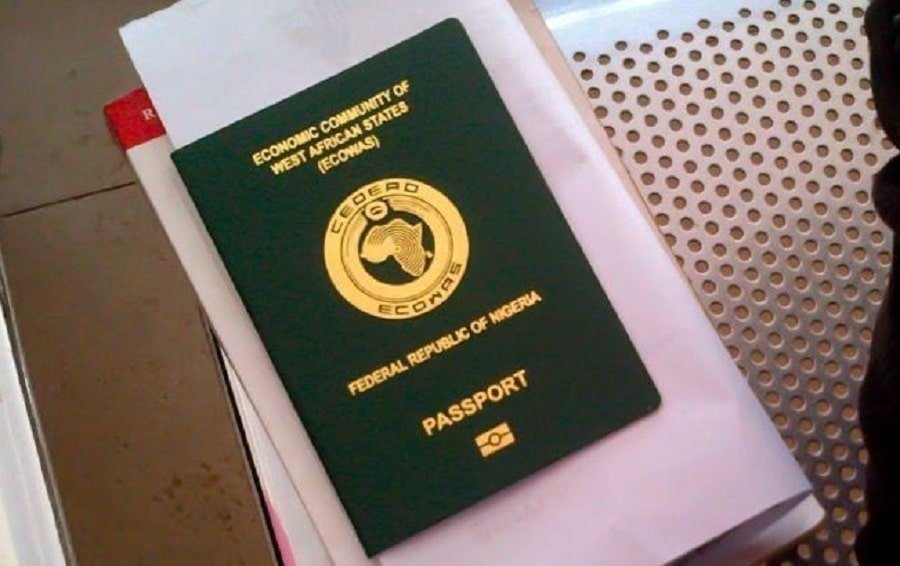
The Minister of Interior, Olubunmi Tunji-Ojo, has issued a fresh directive to the Nigeria Immigration Service (NIS). He has ordered the immediate withdrawal and deactivation of passports held by people who have formally completed their Nigerian citizenship renunciation.
This new rule, shared on Saturday by his Special Adviser on Media, Alao Babatunde, targets individuals whose requests have been officially approved by the President.

Upholding Constitutional Integrity
Minister Tunji-Ojo stated that his ministry must protect the value of national identity. He noted that his power comes from Section 29(1) and (2) of the 1999 Constitution.
The statement highlighted the specific legal text:
“(1) Any citizen of Nigeria of full age who wishes to renounce their Nigerian citizenship shall make a declaration in the prescribed manner for the renunciation.
(2) The President shall cause the declaration made under subsection (1) of this section to be registered, and upon such registration, the person who made the declaration shall cease to be a citizen of Nigeria.”
The minister clarified that once a person is no longer a citizen, they lose the right to hold any sovereign document. This includes the national passport.
Closing Loopholes in Passport Reforms
This Nigerian passport withdrawal is part of a larger plan. The ministry has spent recent years fixing visa and travel systems. Tunji-Ojo noted that the move shuts a gap that allowed former citizens to travel on Nigerian documents even after leaving the fold.
He believes this step is vital for national security and identity management.
“We will continue to strengthen systems that secure Nigeria’s borders, prevent identity fraud, preserve the sanctity of Nigerian citizenship, and facilitate legitimate travel while preventing unauthorised or ineligible access,” Tunji-Ojo said.
Impact on the Nigeria Immigration Service
The Nigeria Immigration Service must now track these approvals to ensure deactivation happens quickly. This prevents any further misuse of the green passport by those who are no longer citizens of the state.