
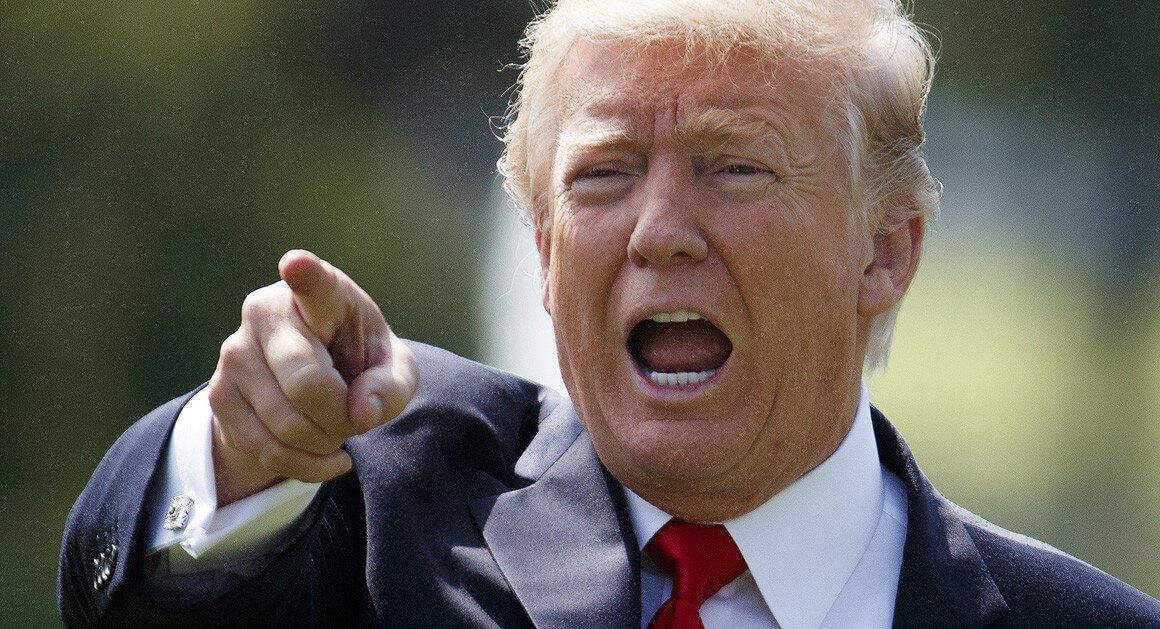
President Donald Trump abruptly called off new US military strikes on Iran on Thursday, claiming that the “final points” of an initial Trump Iran peace deal are now approved.
The unexpected diplomatic shift comes despite escalating tensions in the region, with details of an official signing ceremony expected to be announced shortly. Iran’s semi-official Fars news agency reported that Tehran is likely to accept the framework, though the government has yet to issue a formal response.
The dramatic announcement followed hours after the president stated that American forces would target Iranian positions for a third consecutive night. Since mid-March, Trump has repeatedly claimed that a comprehensive agreement to end the conflict is close. However, both nations have traded heavy strikes throughout the week, severely straining the fragile April truce.
Diplomatic Breakthrough in Middle East Ceasefire Talks
Despite the recent exchanges of fire, Western and Iranian sources confirmed that Middle East ceasefire talks intensified significantly on Thursday morning. The sudden pause in military action suggests diplomats have found common ground to avoid a broader regional escalation.
Three separate Iranian sources stated that a political understanding is now in place. Nevertheless, crucial details still require close attention, including the exact mechanism for releasing tens of billions of dollars in Iranian oil revenues currently frozen in foreign banks.
“Discussions and final points have been, in both concept and great detail, approved by all parties involved,” Trump announced via social media, defending the sudden pause in the planned US military strikes on Iran.
Economic Relief and the Strait of Hormuz Blockades
The proposed interim agreement aims to address the severe economic strangulation gripping the region. According to diplomatic sources, the arrangement would temporarily ease Iran’s tight control over shipping lanes and resolve the ongoing Strait of Hormuz blockades. The deal would also end the strict US blockade on major Iranian ports.
However, highly contentious issues regarding Tehran’s nuclear development programme and its extensive stockpile of highly enriched uranium will be left entirely for future negotiations.
Political Pushback Over the Trump Iran Peace Deal
It remains highly uncertain whether this partial agreement will satisfy hawkish critics within Trump’s own Republican Party. Many conservative lawmakers firmly maintain that any valid agreement must completely close Tehran’s path to developing a nuclear weapon.
Political analysts suggest Trump is acutely aware of the domestic stakes. He remains concerned that any new treaty will face harsh comparisons to the 2015 nuclear accord, which he repeatedly criticised as overly lenient before withdrawing the US from the agreement in 2018.
“The Naval Blockade will remain in full force and effect until this Transaction is finalized — Time and place of the signing to be announced shortly,” Trump added, clarifying that US pressure will not ease prematurely.
Global Market Impact as Military Action Halts
Trump confirmed that this latest framework received approval at “the highest level” of Iranian leadership. Regional powers, including Israel, Saudi Arabia, Qatar, and the United Arab Emirates, were also consulted. Following the news, US stock markets rose sharply while global crude oil prices fell.
The conflict has killed thousands of people, primarily across Iran and Lebanon, and disrupted global energy markets since the US and Israel launched coordinated airstrikes on February 28. While Middle East ceasefire talks offer a temporary reprieve, the global community is watching closely to see if the peace holds.