

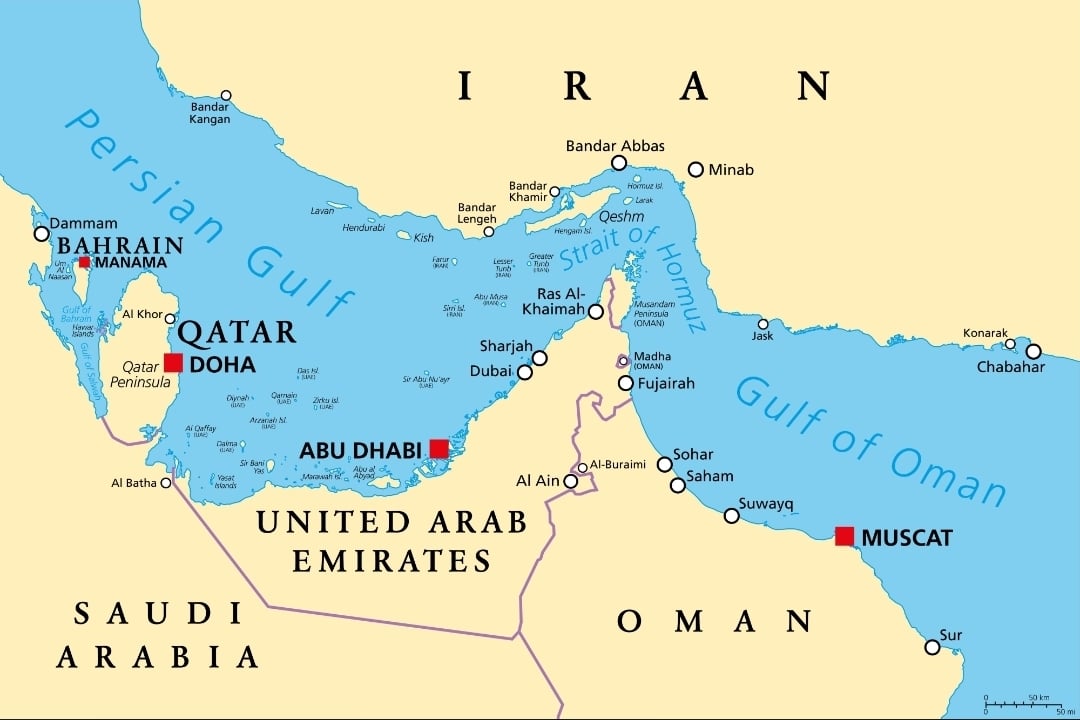
From soaring heating oil bills for homes in Yorkshire to bill-saving school closures in Pakistan, the financial fallout from the Middle East is already being keenly felt. As the Iran war enters its third week in March 2026, it is increasingly clear that the impact of Tehran’s retaliation—and the subsequent closure of the Strait of Hormuz—may not be fleeting.
With Brent crude surging past $110 a barrel, the disruption is reshaping the financial landscape. Moreover, this impact is very uneven, creating a stark contrast between global economic winners and losers. Alongside a hefty catalogue of those who risk being hard hit, there are some who are benefiting. So, who are they?

The Winners: Norway, Canada, and Russia
For all the efforts to pursue renewable energy, we remain hugely reliant on oil and gas. Plentiful reserves tend to promise great riches, hence crude has been labelled “black gold”. When prices rise, producers are typically “quids in”, while users are out of pocket.
However, this is not your usual oil price shock. The Middle East remains the heart of supply, with the Strait of Hormuz acting as its main artery. The impact of a de facto blockage and attacks on energy infrastructure has hit Gulf producers like Qatar and Saudi Arabia hard, as Tehran targets America’s allies. As customers seek alternative sources, it is the likes of Norway and Canada who may gain.
Moscow’s Unexpected Windfall
After Russia invaded Ukraine in 2022, Norway ramped up production to fill the vacuum left by Russian gas. Meanwhile, Canada’s Energy Minister, Tim Hodgson, has positioned his nation as “a stable, reliable, predictable, values-based producer of energy.” Yet, there are questions regarding how much Canada can actually raise production.
Instead, it is Russia that could be the biggest winner. As Washington relaxes rules to ease the global supply crunch, Russia’s crude oil sales to India have jumped by 50%. Some estimates suggest Moscow could earn up to $5bn (£3.7bn) more by the end of March, putting it on track for its biggest year of fuel revenues since 2022. America risks handing Moscow a hefty windfall at the expense of Gulf nations.
The Losers: US, UK, and Europe
What of the US itself? President Donald Trump says that when oil goes up, the US “makes a lot of money.” Certainly, American oil producers could be on track to make tens of billions of dollars of extra revenues this year if crude prices remain high.
But that does not make the US a net winner for three key reasons:
- Direct Disruption: Many producers are exposed to Middle Eastern volatility. ExxonMobil, for instance, has operations at Qatar’s Ras Laffan hub, which has been hit by Iranian missile attacks causing “extensive damage.”
- Capacity Constraints: Many shale producers cannot ramp up output quickly after years of cutting capacity.
- Domestic Consumption: On a per-person basis, Americans are the biggest users of oil and gas on the planet.
The Inflationary Burden in Britain
The reliance of European and UK consumers on imported gas means a greater risk to growth. Market developments could add roughly 0.5% to inflation later in the year. While the West is more resilient than in the past, oil and gas still make up more than half of energy consumption in the UK. This leaves drivers, household bills, and manufacturing sectors dangerously exposed.
Contagion in the Asian Markets
The greatest immediate threat has been to customers of the oil and liquid gas flowing east. Asia gets 59% of its crude from the Middle East; South Korea relies on it for 70%. As shares slumped, politicians warned of the risk to the country’s chipmaking industry, which produces over half of the world’s memory chips.
Elsewhere, the crisis has forced drastic measures:
- Sri Lanka & Bangladesh: Fuel rationing and four-day weeks.
- The Philippines: Temporary closure of educational establishments.
Exactly what comes to pass will depend on future developments. It is unlikely that the US fully foresaw these economic consequences. If the war is protracted, the risk of global spillovers and economic contagion grows by the day.