

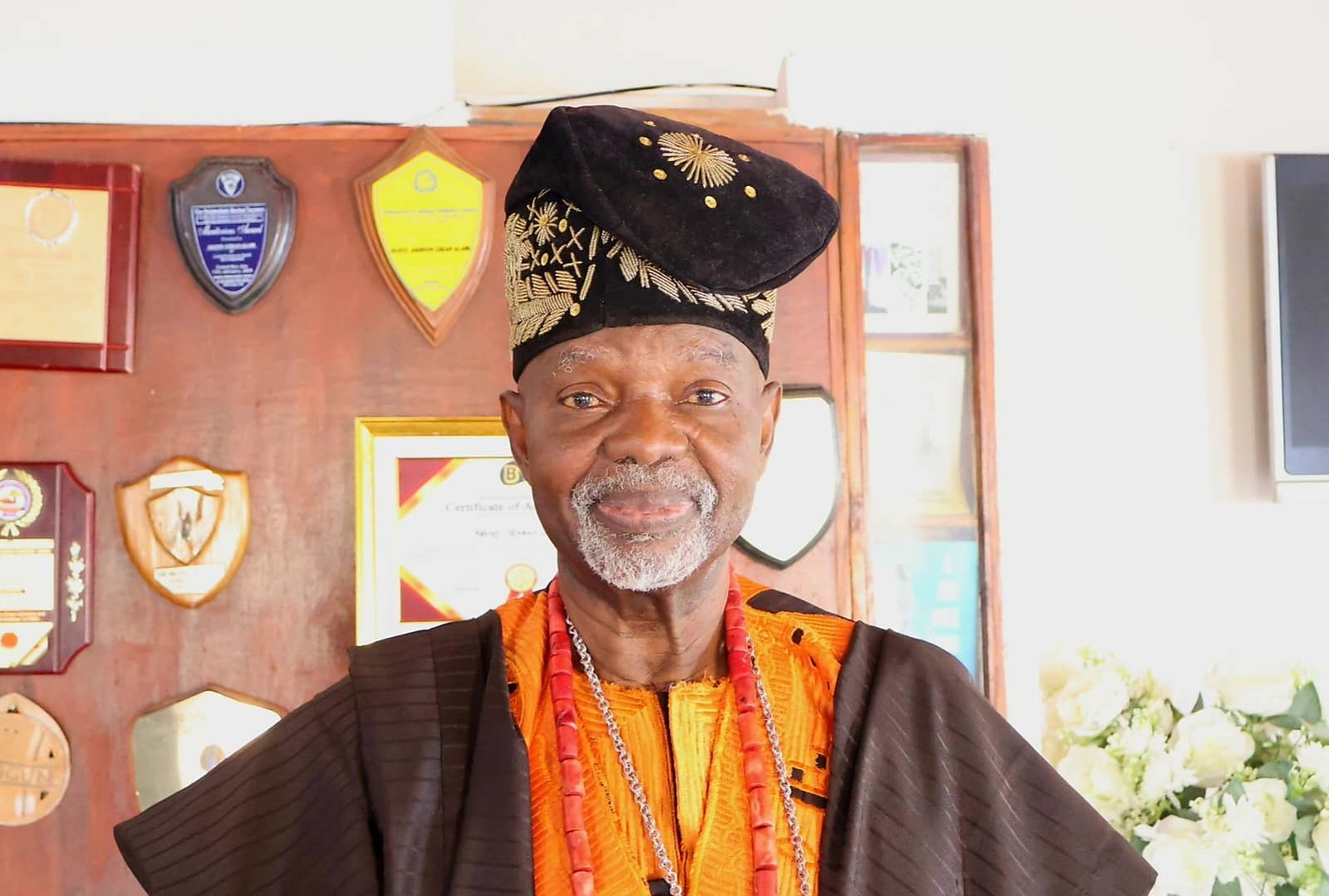
Veteran journalist Lekan Alabi died on Saturday morning in Lagos at the age of 76. The former press secretary to successive Oyo State governors held the traditional title of Abese Olubadan of Ibadanland.
His death was announced in a statement issued by the Media Aide to the Olubadan of Ibadanland, Adeola Oloko.
According to family sources, the late journalist will be buried on Sunday in accordance with Islamic rites.
Alabi built a lengthy reputation across public communication, civic strategy, and news distribution. His professional career spanned several decades during crucial transitional periods in south-western Nigeria.
As press officer to successive military and civilian leaders in Oyo State, he managed state communication flows during tense political climates. His work made him a key figure in institutional media practice across the region.
Later in life, he transitioned into the traditional hierarchy of Ibadanland. He elevated his public profile by taking up royal chieftaincy duties alongside his media engagements.
Lekan Alabi and the Power of the Nigerian Press Secretary
The career of Lekan Alabi highlights the pivotal post of the press secretary within Nigeria’s evolving democratic framework.
In West African governance, official spokespersons often do more than relay state decisions. They serve as essential conduits between administrative authority and public perception.
During his tenure in Oyo State, Alabi operated at the intersection of media transparency and government strategy. Managing public information under successive administrations required a balance between political messaging and professional neutrality.
Media observers note that his approach helped set standard guidelines for state-level communication during critical moments in Nigeria’s political history.
His transition into traditional governance reflected a broader cultural pattern across south-western Nigeria. Media figures and public administrators are frequently called upon to bring institutional experience into traditional royal courts.
Traditional Institutions and Modern Media Influence
By taking on the role of Abese Olubadan of Ibadanland, Alabi joined a long line of public servants who bridged modern civic duties with traditional royal heritage.
In the Ibadan chieftaincy system, titles carry civic obligations and substantial influence over community affairs. High-ranking chiefs help resolve local disputes, advise traditional rulers, and direct municipal affairs.
Alabi used his professional background to modernise traditional communications. He advocated for clear record-keeping and deliberate public outreach within the palace hierarchy.
Alabi was widely respected in journalism, public communication and public service, having served as press secretary to former governors of Oyo State during his distinguished career,” the official statement noted.
His dual legacy highlights the close relationship between information management, state authority, and traditional power structures in modern Nigeria.
Further details on the burial arrangements and official memorial activities are expected from the family following Sunday’s rites.
State officials, civic leaders, and media organisations are scheduled to pay formal tributes in Ibadan over the coming days.
His death marks the end of a generation of media managers who successfully transitioned from press rooms to civil administration and traditional royal leadership.